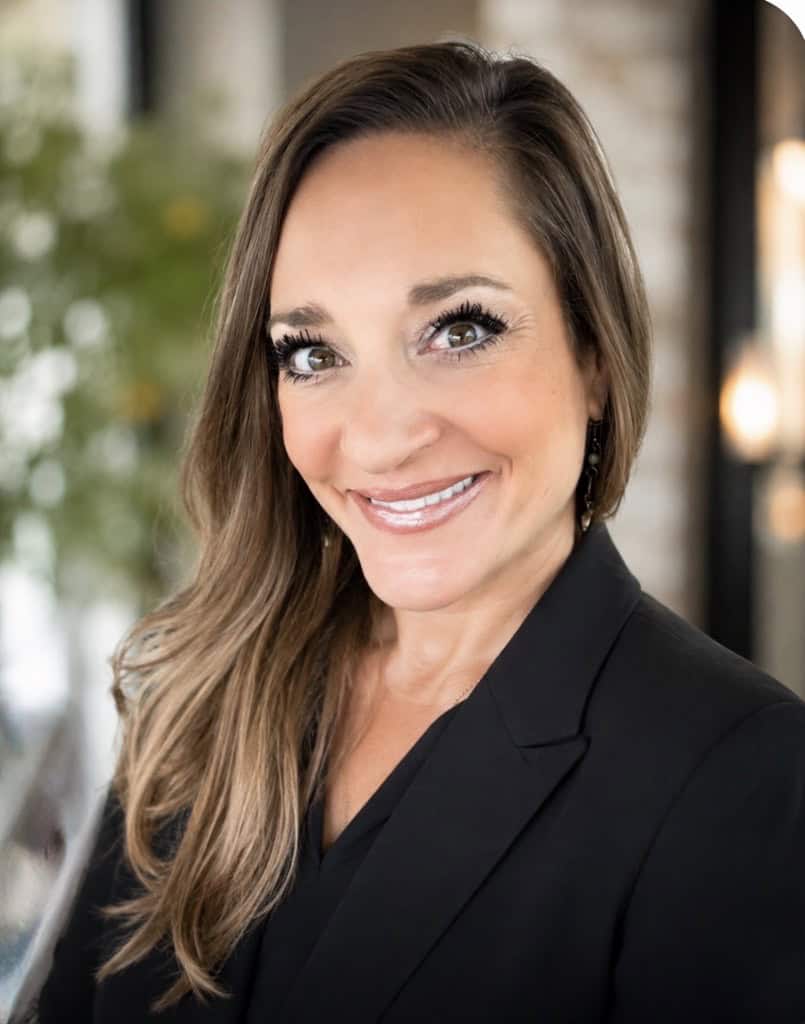
By Dr. Matthias Wiederholz, MD, with Performance Pain and Sports Medicine
Quadruple Board-Certified in Physical Medicine & Rehabilitation, Pain Medicine, Sports Medicine, and Anti-Aging, Regenerative & Functional Medicine
Master Discseel® Instructor — One of Only a Few in the United States
Updated March 30, 2026
Medically reviewed and updated for accuracy

Quick Insights:
Most herniated discs are not permanent. Research indicates that approximately 76% of disc herniations demonstrate spontaneous resorption over time through natural inflammatory and immune processes. However, the outer annular tear that allowed the herniation often remains damaged, which is why some patients experience lasting symptoms despite nucleus resorption. Recovery depends on herniation type, size, patient age, and whether the annular structure heals or continues to leak inflammatory proteins into surrounding nerve tissue.
Key Takeaways
- The nucleus pulposus (inner gel) often resorbs naturally in 6-18 months, but the annular tear (outer wall damage) frequently persists
- Larger extrusions and sequestrations resorb more predictably than contained bulges or protrusions
- Symptom resolution doesn’t always match imaging improvement; some patients remain pain-free despite visible disc damage, while others have persistent radiculopathy after resorption
- When conservative care fails after 3-6 months, emerging biologic disc repair techniques target the annular defect that natural healing often cannot close
Why It Matters
For active adults managing chronic back pain and radiculopathy while maintaining demanding careers, understanding what makes a disc injury permanent versus reversible changes the entire treatment conversation. Many patients are told “you’ll have to live with it” or offered fusion surgery as the only alternative to ongoing pain, but the biology of disc healing is more nuanced. Knowing which disc injuries resolve on their own, which require targeted intervention, and which structural changes drive long-term symptoms empowers patients to make informed decisions about conservative care timelines, when to pursue advanced diagnostics like annulography, and whether biologic repair options may address the root cause that physical therapy and injections cannot.
Is a Herniated Disc Permanent? Understanding What Heals and What Doesn’t
“Will my herniated disc ever heal, or is this permanent?”
This is the question I hear most often from patients at my Houston practice who have been living with chronic radiculopathy or back pain. The confusion is understandable. Some patients are told their discs “never heal,” while others are advised to “wait it out” because herniated discs can spontaneously resolve. Both statements contain some truth, but neither tells the full story.
The answer depends on which part of the disc we’re discussing: the nucleus pulposus (the inner gel-like core that herniates) versus the annular fibrosus (the outer wall that tears to allow the herniation). The nucleus often resorbs naturally through immune processes documented in research, but the annular tear itself has very limited healing capacity. When annular defects persist despite conservative care, targeted biologic repair can produce statistically significant functional improvements. A 827-patient retrospective analysis of intra-annular fibrin sealant treatment demonstrated significant improvements in PROMIS pain interference, PROMIS physical function, and Oswestry Disability Index scores at 1, 3, 6, 12, 24, and 36 months in patients who had failed multiple prior treatments including surgery, PRP, bone marrow concentrate, and epidural injections. The study is observational without a control group, and the authors explicitly call for a prospective randomized controlled trial to confirm these findings.
As an interventional spine specialist, I evaluate each patient’s imaging, symptom pattern, and response to conservative treatment to determine whether their disc pathology is likely to improve on its own or requires advanced intervention. My quadruple board certification in Physical Medicine & Rehabilitation, Pain Medicine, Sports Medicine, and Regenerative Medicine, combined with my role as a Master Discseel® Instructor, one of only a few in the United States, allows me to offer both conservative management and cutting-edge biologic disc repair for patients whose annular tears continue to generate symptoms despite optimal conservative care. In a city home to the Texas Medical Center and world-class spine specialists, patients deserve access to the latest evidence-based regenerative techniques, not just “wait and see” or fusion surgery.
This article will cover the natural history of disc resorption, why annular tears often fail to heal, what factors determine recovery, and when biologic disc repair becomes appropriate.
Important Safety Information
The Discseel® Procedure uses an FDA-approved fibrin sealant biologic (TISSEEL) in an off-label application for annular disc repair. The biologic agent is FDA-approved for hemostasis in surgery; the disc repair application is off-label, which is common in interventional spine care. Epidural steroid injections, for example, are also off-label uses of FDA-approved medications.
Patients with active infection, bleeding disorders, allergy to fibrin or aprotinin, or severe spinal instability requiring fusion are not candidates. Those with progressive neurological deficits (cauda equina syndrome, rapidly worsening weakness) require urgent surgical evaluation. This article is educational and does not replace individualized medical assessment. Readers should consult a spine specialist to determine whether their specific disc pathology is a candidate for conservative management, biologic repair, or surgical intervention.

The Two-Part Problem: Why Nucleus Resorption Doesn’t Always Mean Recovery
The disc has two distinct structures: the nucleus pulposus (inner gel-like core) and the annular fibrosus (outer concentric collagen rings). A herniation occurs when the annulus tears and nucleus material extrudes through the defect. The nucleus is avascular, meaning it has no blood supply, so when it herniates into the vascular epidural space, the immune system recognizes it as foreign tissue and mounts an inflammatory response that gradually resorbs it. This is the “spontaneous regression” patients and doctors often reference.
However, the annular tear itself is fibrocartilage with very limited healing capacity due to poor blood supply and high mechanical stress. Even after the nucleus resorbs, the annular defect often remains open, allowing continued leakage of inflammatory proteins such as TNF-alpha and interleukins that irritate nerve roots and perpetuate radiculopathy. This is why some patients experience symptom improvement as the herniation shrinks on MRI, while others have persistent or recurrent pain despite imaging evidence of resorption. The structural defect persists.
The National Institute of Arthritis and Musculoskeletal and Skin Diseases (NIAMS) provides foundational context on disc anatomy and biology. Aging decreases water content in the disc, reduces proteoglycan synthesis, and diminishes nutrient diffusion, all of which impair the disc’s already limited healing capacity.
A systematic review published in Orthopaedic Reviews in 2024 documents that approximately 76.6% of lumbar disc herniations demonstrate spontaneous nucleus pulposus resorption across multiple studies. However, the authors note significant heterogeneity in clinical outcomes across source studies, reflecting that imaging improvement doesn’t guarantee symptom resolution. Many patients show nucleus resorption on repeat MRI but continue to experience radiculopathy or discogenic back pain because the annular defect remains open and actively leaking inflammatory mediators.
This nucleus-versus-annulus distinction is the most important concept for patients to understand when asking, “Is my herniated disc permanent?” The herniation itself may shrink or disappear, but the tear that allowed it to herniate may not heal.
What Determines Whether a Herniated Disc Resolves Naturally

Herniation Type and Size: Bigger Extrusions Resorb More Predictably
Not all herniations behave the same way. Larger extrusions and sequestrations (where nucleus material breaks free from the parent disc) resorb more reliably than contained bulges or small protrusions, because the extruded material has greater contact with the vascular epidural space and triggers a more robust immune response. The systematic review published in Orthopaedic Reviews identifies herniation size and type as key imaging predictors of resorption.
A case series published in Nagoya Journal of Medical Science in 2024 documents four MRI-confirmed cases of spontaneous regression with documented resorption and reviews 28 prior reports, reinforcing the pattern that larger, extruded fragments are more likely to shrink over 6-18 months. However, both sources note that resorption is not synonymous with symptom resolution. Many patients improve as the herniation shrinks, but others have persistent radiculopathy due to the annular defect or nerve sensitization that developed during the period of compression.
Patient Age and Disc Hydration Status
Younger patients with well-hydrated discs tend to have better resorption rates and more robust inflammatory responses, while older patients with degenerative, desiccated discs may have slower or incomplete resorption. As disc biology changes with aging, decreased water content, reduced proteoglycan synthesis, and diminished nutrient diffusion all impair the disc’s limited healing capacity. This is why a 30-year-old with an acute extrusion may see complete resorption in 6 months, while a 55-year-old with chronic degeneration may have persistent symptoms despite conservative care.
Duration of Symptoms and Nerve Involvement
The longer a nerve root is compressed or chemically irritated, the more likely it is to develop chronic sensitization, a state where the nerve continues to generate pain signals even after the mechanical compression resolves. The North American Spine Society (NASS) clinical guidelines emphasizes natural history considerations and prognostic indicators, noting that early intervention within the first 3-6 months of radiculopathy offers the best chance for full recovery, while symptoms persisting beyond 6-12 months may reflect irreversible nerve changes or persistent annular pathology.
This is the clinical rationale for pursuing advanced diagnostics such as MRI and annulography when conservative care has failed for 3+ months. Waiting indefinitely for spontaneous resolution may allow a treatable annular defect to become a permanent pain generator. For patients who continue to struggle despite time and therapy, understanding comprehensive back pain treatment options becomes essential.
76.6% nucleus resorption rate across studies (Lin systematic review, Orthop Rev 2024, multiple cohorts synthesized), BUT heterogeneity in clinical outcomes remains a limitation — imaging improvement doesn’t guarantee symptom resolution.
When the Annulus Doesn’t Heal: The Case for Biologic Disc Repair

Conservative care (physical therapy, epidural injections, activity modification) manages symptoms but does not repair the annular tear. For patients whose nucleus has resorbed but who still have radiculopathy or axial back pain, the persistent annular defect is often the unaddressed pain generator.
A retrospective analysis of 827 patients with chronic discogenic pain and radiculopathy who had failed multiple prior treatments (including surgery, PRP, bone marrow concentrate, and epidural injections) provides the strongest evidence for targeted annular repair. These patients showed statistically significant improvements in PROMIS pain interference, PROMIS physical function, and Oswestry Disability Index (ODI) scores at 1, 3, 6, 12, 24, and 36 months following intra-annular fibrin sealant treatment, with 69-74% patient satisfaction at 3 years. The study is observational without a control group, and the authors explicitly call for a prospective randomized controlled trial to confirm these findings, but the outcomes data reflect meaningful functional improvements in patients who had exhausted other options.
The biological mechanism is straightforward: fibrin sealant closes the annular defect, halts inflammatory protein leakage, and provides a scaffold for native collagen ingrowth. The FDA confirms that the fibrin sealant used in the Discseel® Procedure (TISSEEL) is FDA-approved as a biologic hemostatic agent in surgery; the disc repair application is off-label, consistent with common practice in interventional spine care.
Professional society context for intradiscal interventional techniques in chronic spinal pain supports the evidence base for biologic disc procedures when conservative care has been exhausted. The goal is to address the structural defect that conservative management cannot repair, while preserving motion and avoiding the long-term consequences of spinal fusion.
Why This Matters for Active Adults in Houston, Baytown, and League City

The science of disc healing connects directly to the lived experience of patients in the Greater Houston area and Gulf Coast region who are managing chronic disc pain while trying to maintain careers, stay active, and avoid surgery. Many patients in Houston, Baytown, and League City are told their only options are “live with it” or spinal fusion, but understanding the biology of annular healing opens a third path.
Many of our Houston patients are active adults who want to return to running the trails at Memorial Park or staying active with their families without the limitations of chronic disc pain. They need accurate information about what truly heals and what doesn’t, combined with access to physicians who understand both conservative management and advanced biologic repair options.
My practice serves active adults, athletes, and professionals in Houston, Baytown, League City, and surrounding communities who need a physician-led, boutique care model that larger hospital systems cannot provide. My personal experience as a Discseel® patient (I underwent the procedure myself) and my role as one of only a few Master Discseel® Instructors in the United States, personally trained by Dr. Kevin Pauza (the procedure’s inventor), means patients receive structured pre-procedure evaluation (including annulography to confirm the annular defect) and comprehensive post-procedure follow-up at 4-6 weeks, 3-4 months, and 6-9 months, with direct access to me throughout recovery.
This is regenerative spine care delivered the way it should be: evidence-based, individualized, and aligned with the goal of restoring function without fusion. The Houston Discseel® program reflects this commitment to advanced, physician-led care.
When Should You Explore Disc Repair With a Spine Specialist?
You may benefit from a consultation if:
- You’ve completed 3-6 months of conservative care (physical therapy, chiropractic, epidural injections) without meaningful improvement in leg pain, numbness, or back pain
- MRI shows a disc herniation or annular tear, and your symptoms match the imaging findings (radiculopathy in the distribution of the affected nerve root)
- You’re being told fusion is your only option, but you want to explore whether the disc itself can be repaired
- You’ve had prior spine surgery (discectomy, laminectomy) but have recurrent or persistent symptoms, suggesting the annular defect was never addressed
Persistent radiculopathy is not something you should “tough out,” and waiting too long can allow nerve sensitization to become irreversible. An annulogram (contrast dye injection into the disc under fluoroscopy) can confirm whether an annular tear is the pain generator and whether biologic repair is appropriate. NASS guidelines support early intervention within 3-6 months for best outcomes.
The Pain Physician 2024 study demonstrates that even patients who had failed multiple prior treatments, including surgery, PRP, and epidural injections, can achieve significant functional improvement with targeted annular repair. Prior treatment failure is not a reason to give up; it’s a reason to pursue a different approach.
What to Expect During Your Visit at Performance Pain & Sports Medicine
Your first visit includes a comprehensive history and physical exam with me, review of your MRI (bring a copy on disc or have it sent ahead), and discussion of your symptom timeline and prior treatments. If your history and imaging suggest an annular tear may be driving your pain, I may recommend an annulogram, a same-day diagnostic procedure performed under fluoroscopy where contrast dye is injected into the disc to visualize the tear and reproduce your pain. Concordant pain confirms the disc is the source.
If the annulogram is positive and you’re a candidate for the Discseel® Procedure, the fibrin sealant is injected during the same session to seal the defect. The procedure is outpatient, performed under conscious sedation, and takes 60-90 minutes. You’ll leave with a structured recovery protocol and follow-up visits scheduled at 4-6 weeks, 3-4 months, and 6-9 months to monitor healing and adjust activity as the annulus remodels.
I am accessible throughout your recovery. This is boutique, physician-led care, not a high-volume hospital spine program where you see a different provider at every visit. Patients who want to understand more about the procedure can explore Discseel® video resources that walk through the evaluation, procedure, and recovery process in detail.
Discseel® Procedure vs. Spinal Fusion Surgery
| Feature | Discseel® Procedure (Biologic Annular Repair) | Spinal Fusion Surgery |
|---|---|---|
| Objective | Seals the annular tear and halts inflammatory protein leakage; promotes native collagen ingrowth | Eliminates motion at the painful segment by fusing two or more vertebrae with hardware |
| Approach | Percutaneous injection of FDA-approved fibrin sealant into the disc under fluoroscopy; outpatient procedure | Open or minimally invasive surgery with bone graft and instrumentation; typically requires hospitalization |
| Recovery timeline | Gradual improvement over 3-12 months as annulus remodels; structured follow-up at 4-6 weeks, 3-4 months, 6-9 months | 3-6 months for bony fusion; activity restrictions during healing; risk of adjacent segment degeneration over time |
| Ideal candidate | Patients with confirmed annular tear on annulogram, persistent radiculopathy or discogenic pain despite 3-6 months of conservative care, no severe instability | Patients with structural instability, severe deformity, or failed prior decompressions where motion elimination is necessary |
| Evidence base | 827-patient retrospective study showing significant functional improvement at 1-3 years; observational design; RCT needed | Decades of outcomes data; well-established for instability; does not address disc biology or adjacent segment risk |
| Preservation of motion | Yes — disc height and segmental motion are preserved | No — fused segment no longer moves; adjacent levels bear increased stress |
Hear From Our Community
I’ve treated thousands of patients with herniated disc pain at Performance Pain & Sports Medicine. Rick’s experience illustrates what’s possible when conservative care is delivered with the clinical expertise and follow-through that complex disc conditions require.
“I recently underwent treatment with Dr. Wiederholz, and I cannot speak highly enough about the care I received. After an auto accident, I was experiencing severe back pain, and Dr. Wiederholz recommended and administered four spinal injections that provided significant relief… Dr. Wiederholz was a resident of Baylor College of Medicine and it shows in his quality of care.”
This is one patient’s experience; individual results may vary.
After an auto accident left Rick with severe back pain, a structured series of epidural injections provided meaningful relief. His case reflects what I see regularly in practice: when conservative interventions are delivered with precision and tailored to the specific disc pathology, many patients can achieve significant improvement without surgery. For patients whose conservative care fails despite optimal technique, advanced diagnostics and biologic repair options offer a motion-preserving alternative to fusion.
Conclusion
Most herniated discs are not permanent in the sense that the nucleus often resorbs naturally through immune processes documented in research, but the annular tear frequently persists and becomes the long-term pain generator. Recovery depends on herniation type, patient age, symptom duration, and whether the annulus heals, and for many patients, it doesn’t heal on its own.
When conservative care has failed for 3-6 months, advanced diagnostics like annulography can confirm whether an annular defect is driving your symptoms. Emerging biologic repair techniques offer a motion-preserving alternative to fusion by sealing the structural defect that conservative management cannot address. Dr. Wiederholz and the team at Performance Pain & Sports Medicine provide evidence-based regenerative spine care throughout the Greater Houston area and Gulf Coast region, including Pearland and surrounding communities, with the expertise and structured follow-up protocol that complex disc pathology requires.
If you’re living with chronic radiculopathy or back pain and want to explore whether your disc can be repaired rather than fused, complete the Discseel® intake form to begin the conversation.
Find Out If You’re a Candidate for Discseel®
Answer a few quick questions to see if the Discseel® Procedure may be right for your disc condition.
This article is for educational purposes only and should not be used as a substitute for professional medical advice, diagnosis, or treatment. Always seek the advice of your physician or other qualified healthcare provider with any questions you may have regarding a medical condition or treatment options. Never disregard professional medical advice or delay in seeking it because of something you have read in this article.
The Discseel® Procedure is not FDA-approved but uses an FDA-approved fibrin sealant in an off-label application for disc repair. Clinical evidence and patient outcomes support its use for specific indications. Not all patients are candidates. Dr. Wiederholz will evaluate your imaging and medical history to determine if Discseel® is appropriate for your condition.
Quadruple Board-Certified in Physical Medicine & Rehabilitation, Pain Medicine, Sports Medicine, and Anti-Aging, Regenerative & Functional Medicine · Master Discseel® Instructor · Performance Pain and Sports Medicine, Houston & Lawrenceville, NJ