
Is a Herniated Disc Permanent? What Determines Recovery
Most herniated discs resorb naturally, but annular tears often persist. Dr. Wiederholz explains what determines recovery and when biologic disc repair becomes appropriate.
Most herniated discs resorb naturally, but annular tears often persist. Dr. Wiederholz explains what determines recovery and when biologic disc repair becomes appropriate.

Herniated discs compress nerve roots, not the spinal cord. Dr. Wiederholz explains the critical difference, red flag symptoms, and treatment options in Houston.

Learn sleep positions that reduce disc stress from annular tears. Dr. Wiederholz offers regenerative spine care in Houston, Baytown & League City. Schedule today.

Sitting with a herniated disc requires understanding the difference between symptom management and structural healing. While proper posture and ergonomic adjustments can reduce pain, they don’t repair annular tears. This physician-led guide explores evidence-based seating strategies, disc pressure mechanics, and when conservative approaches may need to be supplemented with interventional options for lasting spine health.
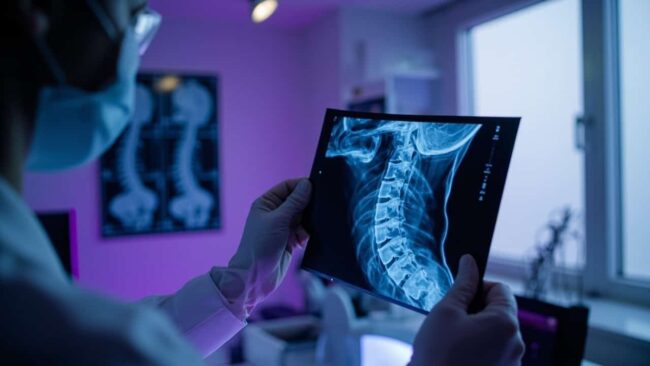
Spinal disc height loss occurs when the annulus fibrosus tears and allows the nucleus pulposus to leak out. While temporary decompression may provide short-term relief, true height restoration requires addressing the underlying structural defect. Understanding the difference between symptom management and structural repair helps patients make informed decisions about their spine care.
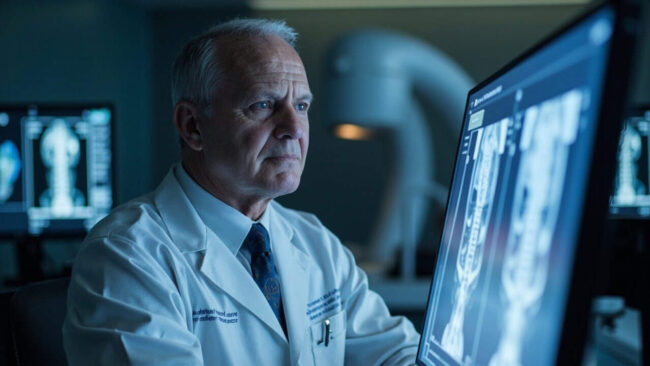
MRI scans reveal detailed images of spinal discs, nerves, and surrounding tissues, showing disc height, tears, herniations, and nerve compression. However, imaging findings don’t always correlate with pain levels—many people have disc abnormalities without symptoms. Understanding what your MRI shows helps you ask better questions and make informed treatment decisions with your physician.

Bulging discs rarely heal completely without intervention due to limited blood supply. Only 13% show spontaneous regression compared to 96% for sequestrated herniations. Conservative treatments manage symptoms by reducing inflammation and strengthening supporting muscles, but they don’t repair damaged annular fibers. Understanding this distinction helps patients make informed decisions about their care.
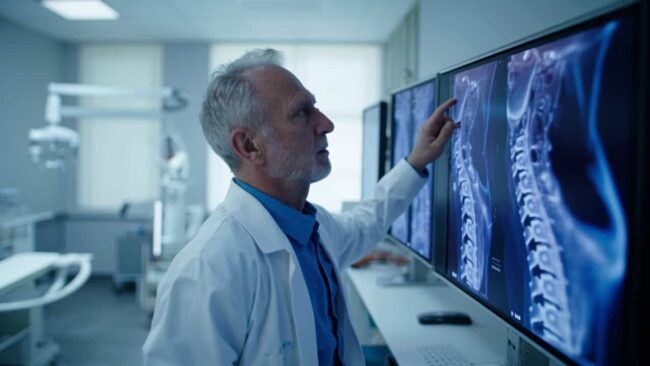
Bulging disc treatment requires understanding the difference between symptom management and structural repair. While many discs improve with conservative care, persistent annular tears may need targeted intervention. Advanced diagnostic imaging helps determine which approach addresses your specific disc pathology for lasting relief.

After spine surgery, proper positioning protects healing tissue while maintaining mobility. Sitting increases disc pressure by 40% compared to standing, requiring gradual progression from 15-20 minute intervals to longer durations over six weeks. Side-lying with pillow support and back-sleeping with knee elevation help maintain spinal alignment during recovery.
Spinal disc degeneration involves proteoglycan loss and structural damage that water intake alone cannot reverse. While hydration affects disc mechanics temporarily, it doesn’t repair annular tears or restore damaged tissue. Understanding the difference between hydration and regeneration helps patients focus on evidence-based solutions that address the root cause of disc pain rather than relying on ineffective passive strategies.
"*" indicates required fields
"*" indicates required fields
"*" indicates required fields
"*" indicates required fields
"*" indicates required fields