
By Dr. Matthias Wiederholz with Performance Pain and Sports Medicine
Quadruple Board-Certified in Physical Medicine & Rehabilitation, Sports Medicine, Pain Medicine, and Regenerative Medicine
Quick Insights
You can try using the Chirp Wheel with a herniated disc, but it may provide only temporary relief. The device works by stretching muscles and creating gentle traction along the spine. However, mechanical stretching cannot repair annular tears or reverse disc herniation. Some Houston patients experience short-term comfort from reduced muscle tension. Others notice no benefit or worsening symptoms. Persistent disc pain often requires physician evaluation to address underlying structural damage.
Key Takeaways
- Conservative treatment is recommended first-line for most lumbar disc herniations without serious neurologic deficits.
- Annular tears can exist in asymptomatic individuals, meaning imaging findings don’t always correlate with pain levels.
- Surgical and conservative approaches show similar mid-term and long-term outcomes for many herniated disc patients.
- Certain factors like significant canal compromise predict when conservative measures alone may not provide adequate relief.
Why It Matters
Unresolved disc pain can limit your ability to work, exercise, travel, and enjoy time with family. Understanding what home devices can and cannot do helps you make informed decisions about your care. When mechanical stretching fails to address persistent symptoms, physician-led evaluation can identify whether structural disc damage requires targeted intervention. Early, accurate diagnosis prevents prolonged suffering and helps you regain the active lifestyle you value.
Introduction
As a quadruple board-certified physician specializing in spine care in Houston, I’ve evaluated countless patients searching for relief from herniated disc pain.
Many ask whether spinal stretching devices like the Chirp Wheel can help their condition. The short answer is that these devices may provide temporary symptom relief for some people, but they cannot repair the underlying disc damage. Annular tears in the disc’s outer layer allow inflammatory material to leak out and irritate nearby nerves, creating the pain you feel. Mechanical stretching might temporarily reduce muscle tension or create gentle traction, but it cannot seal those tears or reverse disc herniation.
Understanding what home devices can and cannot do helps Houston-area residents make informed decisions about their care. When stretching tools fail to address persistent symptoms, physician-led evaluation becomes essential to determine whether structural disc damage requires targeted intervention. You can learn more about advanced interventional and regenerative disc treatments like the Discseel® Procedure available for persistent disc pain at my practice.
For those dealing with related symptoms, such as chronic back pain, it’s important to recognize when conservative care is insufficient.
I also invite patients to explore my professional background and expertise to better understand the comprehensive approach I take to treating complex spine conditions.
This article explains how spinal wheels work, what relief you might realistically expect, and when it’s time to seek professional evaluation for disc-related pain that won’t resolve. Serving patients from Sugar Land to The Woodlands, I’ve seen firsthand what works and what doesn’t for herniated disc pain.
What Is the Chirp Wheel and How Does It Work?
Can You Use The Chirp Wheel With A Herniated Disc
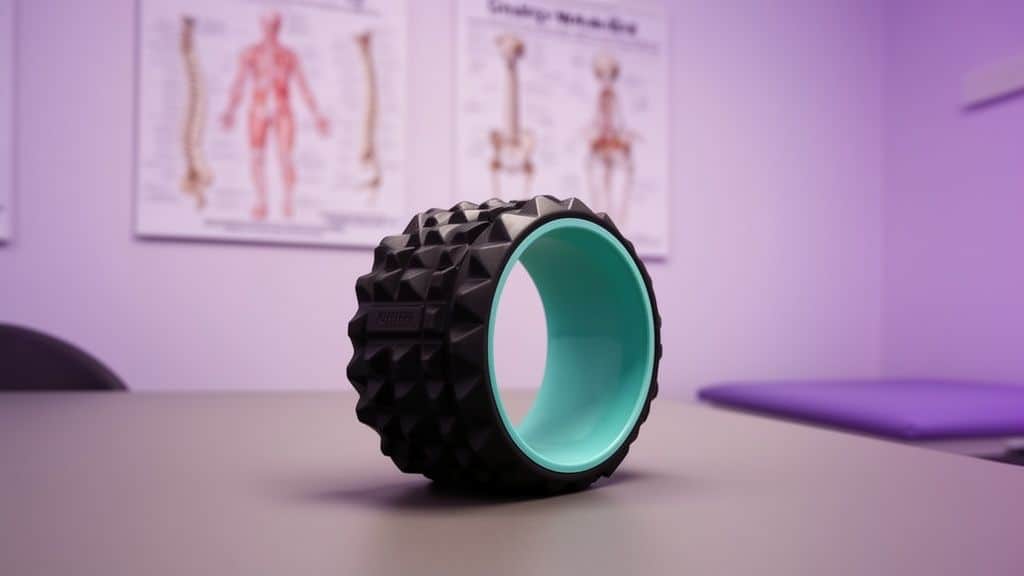
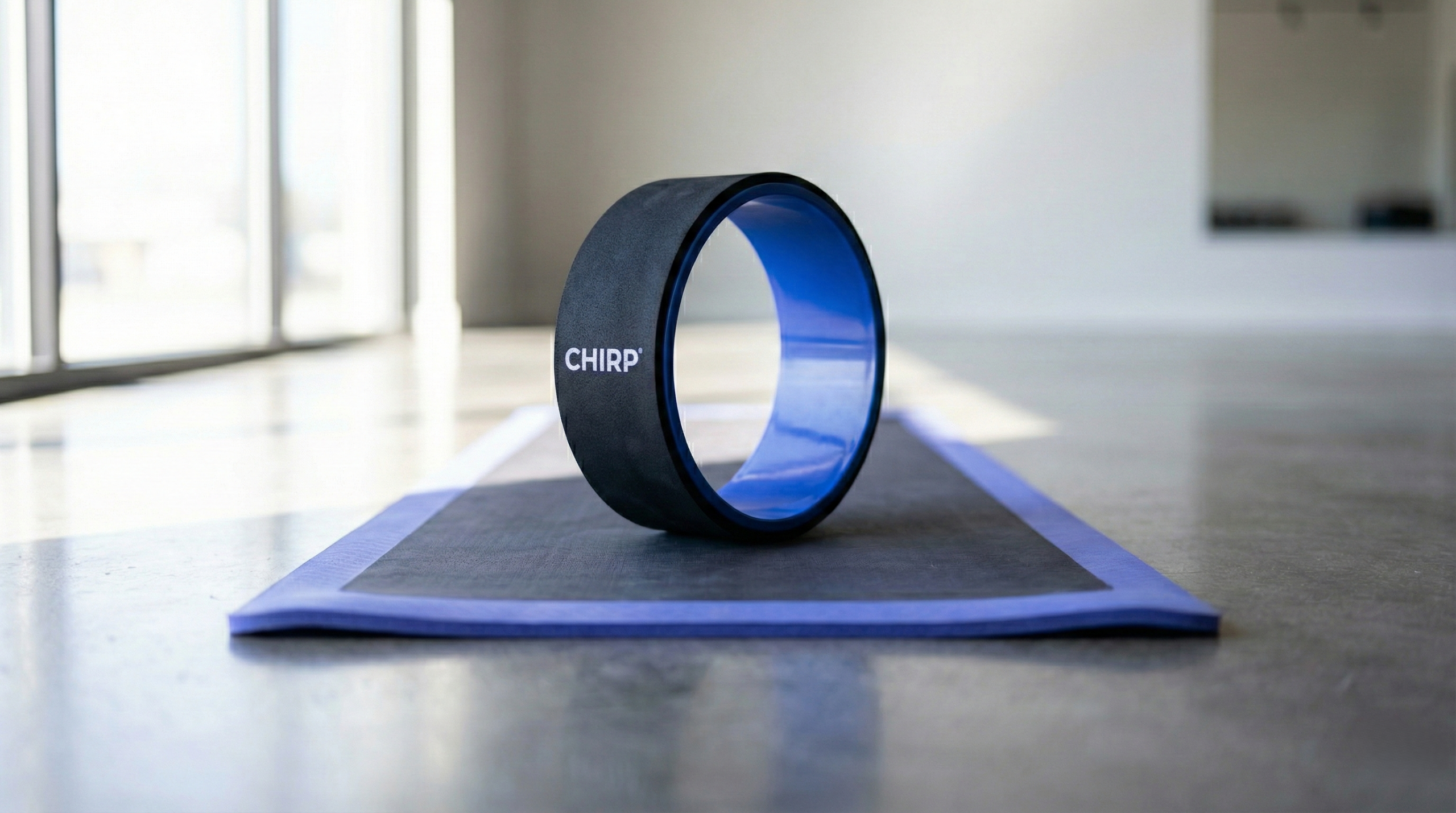
The Chirp Wheel is a circular foam device designed to support your spine while you roll back and forth on it. The wheel comes in different sizes to target various areas of your back. You lie on the floor and position the wheel under your spine, then gently roll to create stretching and pressure along your vertebrae.
The device aims to decompress your spine by creating space between vertebrae as you roll. This mechanical stretching may temporarily reduce muscle tension in your paraspinal muscles. The wheel’s curved surface applies pressure to soft tissues surrounding your spine, which some users find soothing.
In my Houston practice, patients often ask whether this type of mechanical stretching can help their disc problems. The wheel creates gentle traction forces that may provide short-term relief from muscle spasm. However, these external forces cannot reach the internal disc structures where herniation and annular damage occur.
If you’re interested in a comprehensive overview of spinal disc issues, you may also benefit from reviewing the guide to spinal disc tears, their causes, symptoms, and treatment options.
Can Spinal Wheels Help Herniated or Bulging Discs in Houston?

Can You Use The Chirp Wheel With A Herniated Disc
Conservative treatment is recommended first-line for most lumbar disc herniations without serious neurologic deficits. Spinal wheels fall into the category of activity modification and self-care tools that some patients try during conservative management.
These devices may provide temporary symptom relief for certain individuals through muscle relaxation and gentle spinal decompression. Some patients report reduced stiffness and improved mobility after using spinal wheels. However, mechanical stretching cannot repair the annular tears that allow disc material to herniate.
The wheel’s traction effect might temporarily reduce pressure on irritated nerve roots. This can create a brief window of comfort for some users. But the underlying disc pathology remains unchanged because external stretching forces do not seal annular defects or reverse disc herniation.
When evaluating chronic spine pain, I focus on identifying the true disc-level pain generator. Spinal wheels address surface-level muscle tension but cannot access the damaged annulus fibrosus where inflammation originates. This explains why some patients experience initial relief that fades as the structural problem persists.
For further insight on whether spinal wheels or similar devices can help with bulging disc pain, consider this detailed article asking do spinal wheels help bulging disc pain?
What Relief Can You Expect From Mechanical Stretching?

Can You Use The Chirp Wheel With A Herniated Disc
Conservative therapy outcomes vary significantly among patients with lumbar disc herniation. Some people report meaningful short-term improvement from mechanical stretching devices. Others notice no benefit or experience worsening symptoms.
Temporary relief from muscle tension represents the most common positive outcome. The stretching motion may reduce paraspinal muscle spasm that develops as your body tries to protect an injured disc. This muscle relaxation can improve your ability to move and perform daily activities.
However, symptom improvement does not equal structural repair. Research shows that annular tears exist in many asymptomatic individuals, meaning imaging findings do not always correlate with pain levels. When a spinal wheel reduces your discomfort, it typically reflects decreased muscle tension rather than disc healing.
Many Houston patients I evaluate have tried stretching devices without lasting improvement. The relief often fades within hours or days because the annular tear continues leaking inflammatory material. This cycle of temporary comfort followed by returning pain signals that the underlying disc damage requires targeted intervention.
Explore other effective treatment options for L5-S1 disc herniation pain if conservative approaches are not providing you with the relief you seek.
Why Stretching Devices Cannot Repair Disc Damage
Annular tears in the disc’s outer layer allow nucleus pulposus material and inflammatory mediators to leak out and irritate nearby nerves. This leakage creates the persistent pain that characterizes discogenic back problems. Mechanical stretching cannot seal these tears or stop this inflammatory cascade.
True disc repair requires tissue healing and collagen regeneration within the annulus fibrosus. External traction forces from a spinal wheel do not stimulate this biological repair process. The damaged annular fibers remain torn regardless of how much stretching you perform.
Regenerative therapies and biologics represent a different approach that targets structural disc pathology rather than symptom suppression. These interventions aim to seal annular defects and support natural healing mechanisms within the disc itself.
Certain factors predict when conservative treatment fails in lumbar disc herniation. Significant canal compromise, large herniation size, and persistent inflammatory changes suggest that mechanical stretching alone will not provide adequate relief. In my practice, I often see disc pain persist because the annular tear itself never healed, despite patients trying multiple conservative approaches including stretching devices.
For more information on disc tear treatment and how the integrity of your spine may be restored, read more here.
One Houston Patient’s Experience

Can You Use The Chirp Wheel With A Herniated Disc
I’ve treated many patients who tried stretching devices before seeking evaluation for persistent disc pain.
“I had herniations on all my lumbar discs on both sides of my spine and also on the first sacral disc. I couldn’t walk without leaning on something and was in constant pain. Went to a spine surgeon who wanted to fuse my bottom lumbar disc to my sacral disc…”
This is one patient’s experience; individual results may vary.
Linda’s story reflects what I see regularly at Performance Pain and Sports Medicine. Conservative approaches including stretching devices may provide temporary comfort, but they cannot address the underlying annular damage that drives persistent disc pain.
If you’re seeking local treatment options in Houston for advanced disc-related therapies, you can review Performance Pain & Sports Medicine’s Houston location for specialized care.
Conclusion
Can you use the Chirp Wheel with a herniated disc? You can try it, but understand its limitations. Mechanical stretching may temporarily reduce muscle tension for some patients. However, it cannot seal annular tears or stop the inflammatory cascade that drives persistent disc pain. As a quadruple board-certified physician focused on disc-related spine conditions, I’ve evaluated many Houston patients whose symptoms persisted despite trying stretching devices and other conservative measures.
When home devices fail to provide lasting relief, physician-led evaluation becomes essential. Accurate diagnosis identifies whether annular pathology is your true pain generator. For patients with documented annular tears and persistent discogenic pain, regenerative therapies and biologics represent mechanism-based options that address structural disc damage rather than just symptoms. In my practice, I use diagnostic annulargram imaging to identify actively leaking discs before considering interventions like the Discseel® Procedure[1]—a minimally invasive approach designed to seal annular defects and support natural disc healing.
Whether you’re in Katy, Sugar Land, or The Woodlands, if your disc pain persists despite appropriate conservative care, you can contact our team to schedule your consultation.
For more patient experiences and long-term outcomes, browse Discseel® reviews and how patients achieve lasting back pain relief.
This article is for educational purposes only and should not be used as a substitute for professional medical advice, diagnosis, or treatment. Always seek the advice of your physician or other qualified healthcare provider with any questions you may have regarding a medical condition or treatment options. Never disregard professional medical advice or delay in seeking it because of something you have read in this article.
Frequently Asked Questions
Are spinal wheels safe for herniated discs?
Spinal wheels may be safe for some patients with herniated discs, but safety depends on your specific condition. If you have severe neurologic symptoms like progressive weakness, numbness, or bowel and bladder changes, avoid home devices and seek immediate medical evaluation. Evidence-based guidelines recommend physician evaluation to rule out serious complications before trying mechanical stretching devices. Start gently and stop if pain worsens. Many patients tolerate spinal wheels without harm, but they should complement—not replace—professional medical guidance.
Find out how to recognize emergency symptoms of a herniated disc and when urgent care may be necessary.
Can stretching make a herniated disc worse?
Aggressive stretching can worsen symptoms in some patients by increasing intradiscal pressure or irritating already-inflamed nerve roots. Gentle, controlled movements typically pose less risk than forceful stretching. However, stretching cannot repair the underlying annular tear that allows disc material to herniate. Some patients experience temporary relief from reduced muscle spasm. Others notice increased pain during or after stretching. Listen to your body and discontinue any activity that increases your symptoms. If pain persists or worsens despite conservative measures, consult a physician to evaluate the structural disc damage.
If you’re exploring rehabilitation options, refer to these herniated disc exercises that may help relieve pain or improve mobility under correct supervision.
What’s the difference between symptom relief and disc repair?
Symptom relief means reduced pain, stiffness, or muscle tension without changing the underlying disc pathology. Disc repair involves biological healing of annular tears and restoration of disc integrity. Conservative approaches like activity modification and pharmacotherapy can improve symptoms for many patients; however, they may not address structural changes such as annular defects or disc degeneration. Mechanical devices provide external forces that may temporarily decompress your spine or relax muscles. True disc repair requires tissue regeneration and collagen formation within the damaged annulus fibrosus—processes that mechanical stretching cannot stimulate.
For more on disc degeneration and available treatments, delve into degenerative disc disease treatment options.
Where can I find herniated disc treatment in Houston?
Houston residents seeking comprehensive herniated disc evaluation can find specialized care at Performance Pain and Sports Medicine. Dr. Matthias Wiederholz offers evidence-based diagnosis using advanced imaging to identify disc-level pain generators. Treatment options range from conservative management to regenerative interventions like the Discseel® Procedure for appropriate candidates. The practice serves patients throughout the Houston area, including Texas Medical Center and Houston Methodist Hospital communities. Schedule a consultation to determine the most appropriate treatment approach for your specific disc condition.
For more details on the causes, symptoms, and management of herniated discs, you can also read this comprehensive overview of herniated disc symptoms, causes, and treatment.