
The Discseel® Procedure: A Complete Patient Guide
Discseel®: A Revolutionary Approach to Spinal Health
Understanding the Revolutionary Discseel® Procedure

Introduction
If you’ve been told that spinal fusion is your only option for chronic back or neck pain, the Discseel® Procedure may offer a different path forward. This minimally invasive treatment repairs damaged spinal discs from the inside out—sealing tears, promoting natural healing, and preserving your spine’s mobility without the permanence of surgery.
The Discseel® Procedure is available at Performance Pain and Sports Medicine in Houston, TX and Lawrenceville, NJ. Dr. Matthias Wiederholz is the only certified Discseel® provider in Houston and was the first physician in both Houston and New Jersey to offer this procedure. As one of a few master instructors worldwide, he has performed hundreds of Discseel® procedures and trains other physicians in this specialized technique.
Watch Dr. Wiederholz explain the complete Discseel® process—from consultation to recovery:
TABLE OF CONTENTS
In This Guide
WHAT IS THE DISCSEEL® PROCEDURE?
The Discseel® Procedure is a minimally invasive treatment designed to repair damaged spinal discs without surgery. Unlike traditional approaches that focus on removing disc material or fusing vertebrae together, Discseel® targets the outer layer of the disc—the annulus fibrosus—where tears and fissures develop over time.
Think of a spinal disc like a jelly donut. The inner part (the nucleus pulposus) is gel-like, while the outer part (the annulus fibrosus) is made up of 20 to 25 layers of collagen that contain and protect the inner material. Over time—or after an injury—cracks and tears can form in this outer layer. When this happens, inflammatory material from inside the disc leaks out and irritates nearby nerve endings, causing chronic pain.
The Discseel® Procedure uses a biologic fibrin sealant to seal these tears. But fibrin does more than just plug the hole. Just like when you cut your skin and fibrin naturally forms to stop bleeding and stimulate repair, the fibrin injected during Discseel® stimulates collagen synthesis within the disc. Over time, the sealant is absorbed and replaced with new, healthy tissue—essentially regenerating the disc’s structural integrity.
This is similar to injecting tire sealant into a punctured bicycle wheel, except the sealant actually regenerates the rubber over time. The hole doesn’t just get plugged—it heals.
For more information about the science behind the procedure, visit Discseel Technologies.
HOW THE DISCSEEL® PROCEDURE WORKS
The Discseel® Procedure is performed as an outpatient treatment, typically taking between 30 and 60 minutes depending on how many discs require treatment. The procedure involves two main components: a diagnostic phase and a therapeutic phase.
Step 1: Positioning and Imaging
For lumbar (low back) procedures, patients lie face down with a small bump under the belly to flatten the back. A fluoroscope—a specialized X-ray machine—provides real-time imaging to guide needle placement with precision.
Step 2: Diagnostic Annulogram
The first phase is diagnostic. A specialized needle is guided into the outer part of the disc (the annulus fibrosus), and a contrast dye mixed with antibiotic solution is injected. This annulogram reveals the architecture of the disc. In a healthy, intact annulus, it’s very difficult to inject anything because the tissue is so dense. However, if tears are present, the dye flows easily and leaks out—confirming the presence of a “leaky disc” that is likely contributing to pain.
Step 3: Fibrin Sealant Injection
Once a leaky disc is confirmed, the therapeutic phase begins. Fibrin sealant is injected into the same location, sealing the tears and stopping inflammatory material from escaping. Dr. Wiederholz injects fibrin until he feels a firm endpoint—indicating the disc is completely sealed and can withstand normal forces. This is repeated for each disc that requires treatment.
Step 4: Immediate Recovery
After the procedure, patients rest for approximately 30 minutes. This allows any sedation to wear off and gives the initial post-procedure discomfort time to ease. Most patients walk out of the office the same day.
The diagnostic annulogram and therapeutic injection are now performed during the same visit. Previously, these were done on separate days, requiring patients to undergo anesthesia and needle placement twice. Combining them into a single session is more convenient and reduces overall risk.
CONDITIONS TREATED WITH DISCSEEL®
The Discseel® Procedure is effective for a range of spinal disc conditions, particularly those involving tears or leaks in the outer disc layer. The intervertebral disc is far and away the most common source of chronic low back pain—if you suffer from persistent back or neck pain, there’s a high likelihood that disc damage is contributing to your symptoms.
Conditions that may respond to Discseel® include:
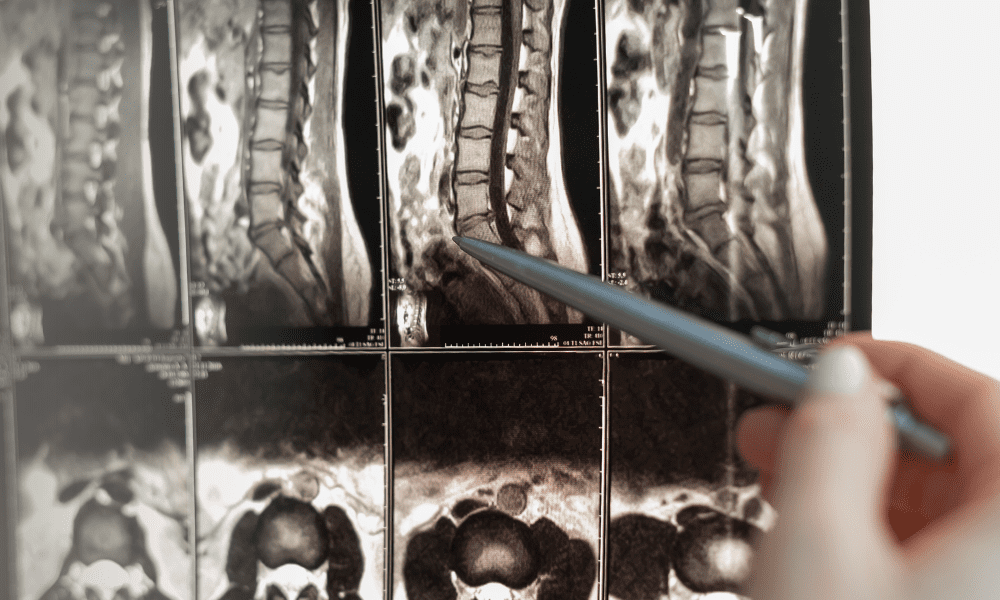
Degenerative Disc Disease
As discs lose hydration and structural integrity over time, tears develop in the annulus. Discseel® can seal these tears and promote collagen regeneration to restore disc function.
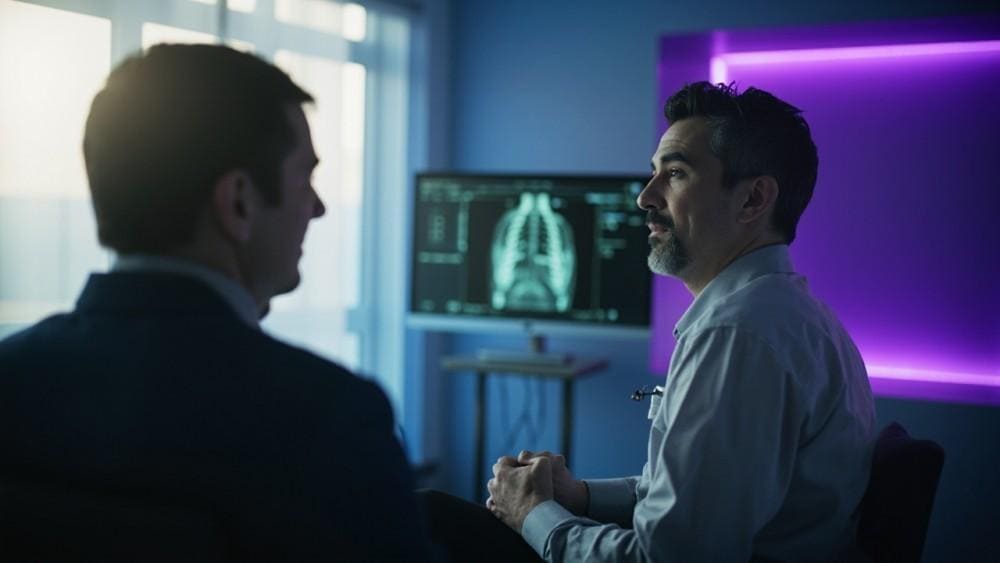
Annular Tears and Fissures
Tears in the outer disc layer allow inflammatory material to leak out and irritate nerve endings. This is the primary target of the Discseel® Procedure.
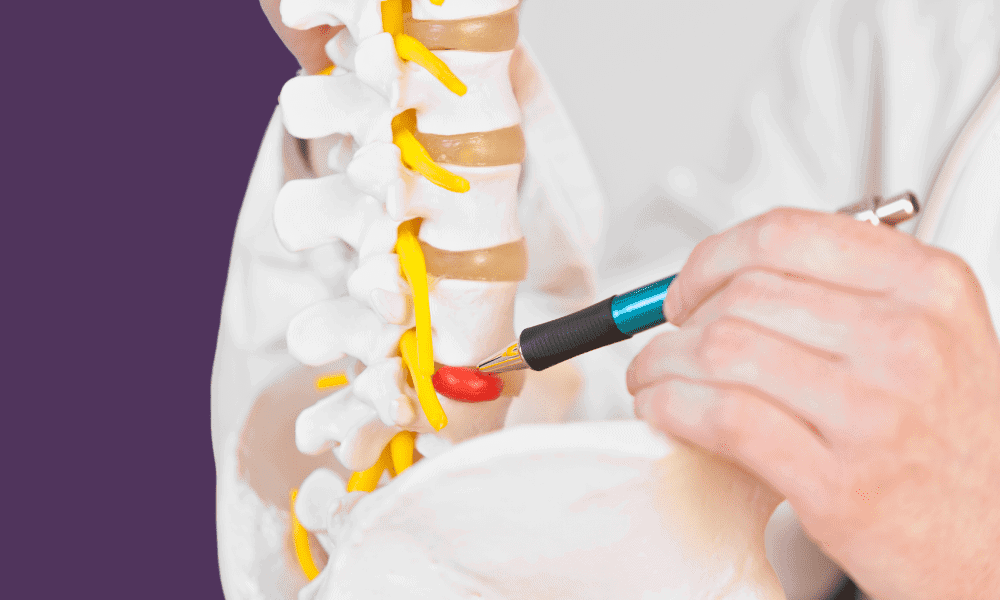
Herniated Discs
When the inner disc material pushes through a tear but hasn’t completely extruded, Discseel® can seal the tear and prevent further herniation.
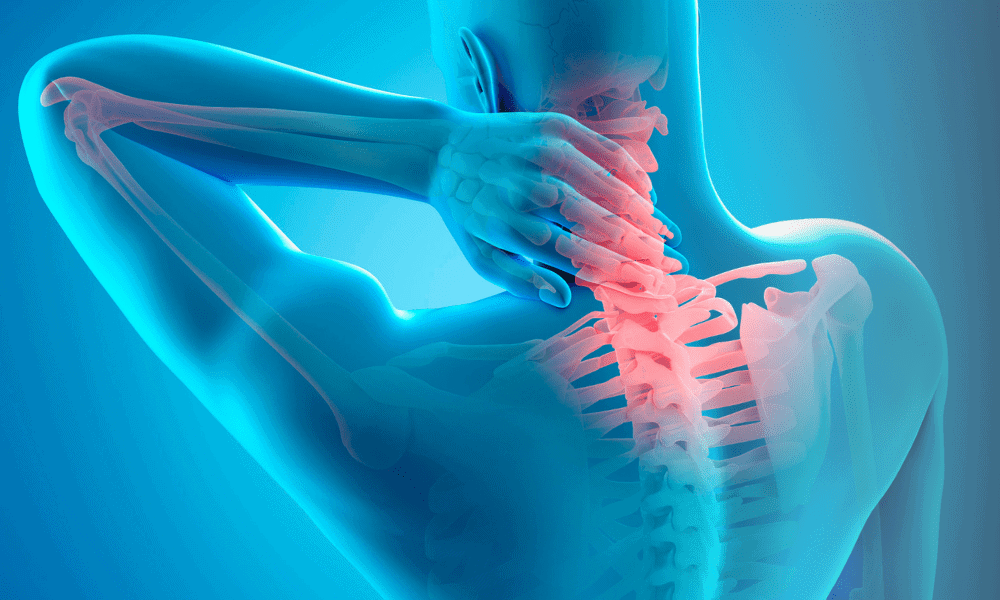
Bulging Discs
Disc bulges often accompany annular weakening. Sealing the outer layer can stabilize the disc and reduce bulge progression.

Chronic Low Back Pain
For patients with persistent pain that hasn’t responded to conservative treatments, Discseel® addresses the underlying disc damage rather than masking symptoms.

Chronic Neck Pain
Discseel® can treat cervical (neck) discs as well as lumbar (low back) discs, making it a versatile solution for disc-related pain throughout the spine.
Many patients who were previously advised to undergo spinal fusion have successfully avoided surgery by choosing Discseel®. The procedure offers a way to address the root cause of disc-related pain without permanently altering spinal anatomy.
WHO IS A CANDIDATE FOR DISCSEEL®?
The vast majority of people suffering from chronic back or neck pain due to disc damage are potential candidates for the Discseel® Procedure. However, not everyone is appropriate for this treatment, and a thorough evaluation is essential.
Ideal Candidates Include:
- Individuals with chronic back or neck pain that hasn't improved with conservative treatments (physical therapy, medications, injections)
- Patients diagnosed with degenerative disc disease, annular tears, or disc herniations
- Those who want to avoid or delay spinal fusion surgery
- Patients whose MRI shows signs of disc damage (high-intensity zones, disc darkening, or degenerative changes)
- Individuals willing to commit to the recovery process (3-6 months of activity modification)
Who May Not Be a Candidate:
There are two major categories of patients who would not be appropriate for Discseel®:
1. Active Disc Infection (Discitis) — This is a serious condition that requires hospital treatment, often with IV antibiotics or surgery. Injecting fibrin into an infected disc would be dangerous. Patients with disc infections typically present very sick, and MRI findings are usually diagnostic.
2. Severe Conditions Requiring Surgery — Some situations require surgical intervention:
- Complete disc rupture with extrusion — If the "jelly" has forcefully escaped the disc and is physically compressing a nerve root, that material needs to be surgically removed (microdiscectomy or endoscopic discectomy).
- Spinal instability or fracture — An unstable spine requires surgical stabilization.
- Severe neurological deficits — Progressive weakness, foot drop, or loss of bowel/bladder control requires urgent surgical evaluation.
Only a thorough evaluation with a qualified physician can determine whether Discseel® is right for you. Dr. Wiederholz reviews each patient’s symptoms, medical history, and MRI findings to assess candidacy and create a personalized treatment plan.
THE CONSULTATION PROCESS
The first step toward Discseel® is a consultation to determine whether you’re a candidate. Dr. Wiederholz offers both in-person and virtual consultations to accommodate patients from across the country and around the world.
In-Person Consultation
Meeting in person is preferred when possible. During this visit, Dr. Wiederholz will review your symptoms, medical history, and imaging studies. He’ll perform a physical examination and discuss whether Discseel® is appropriate for your condition.
Virtual Consultation
For patients located in states where Dr. Wiederholz holds a medical license (Texas and New Jersey), telemedicine consultations are available. You’ll upload your MRI to a secure cloud portal before the appointment, allowing Dr. Wiederholz to review your imaging during the video consultation.
Out-of-State and International Patients
Houston is a major hub for medical tourism—home to the largest medical center in the world—making it an ideal destination for patients traveling for specialized care. Two major international airports (George Bush Intercontinental and William P. Hobby) provide easy access, and the Performance Pain office is conveniently located equidistant from both.
For patients outside of Texas or New Jersey, there are several options:
- MRI Review — Upload your MRI through the secure portal. Staff can review the imaging and let you know if you appear to be a candidate, then coordinate an in-person consultation with your procedure.
- Best in Class MD (BICMD) Platform — This platform allows international and out-of-state patients to interact directly with Dr. Wiederholz for an educational session. While this is not a formal physician-patient relationship, it provides a legal way to ask questions and gather information before traveling for care.
- Same-Week Procedure — Many traveling patients coordinate their consultation and procedure during the same trip. Staff can help arrange timing so you're not making multiple visits.
What to Bring to Your Consultation:
- Recent MRI of the affected spinal region (ideally within the past 6-12 months)
- List of current medications and supplements
- Records of previous treatments (injections, physical therapy, surgeries)
- Questions about the procedure, recovery, and outcomes
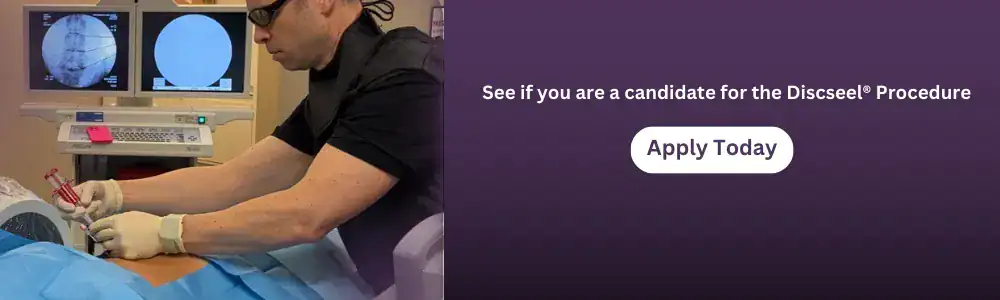
WHAT TO EXPECT ON PROCEDURE DAY
The Discseel® Procedure is performed as an outpatient treatment. You’ll arrive at the office, undergo the procedure, and go home the same day.
Anesthesia Options
Discseel® does not require general anesthesia. Patients have two options:
- Local Anesthesia Only — A numbing agent is injected at the treatment site. You remain awake throughout the procedure. Some patients prefer this option to avoid sedation.
- IV Sedation — An IV is placed, and an anesthesia team administers medications to help you relax and "snooze" through the procedure. This is the preferred option for most patients. You'll still breathe on your own—no breathing tube or paralytic agents are used.
Procedure Duration
The procedure typically takes 30 to 60 minutes, depending on several factors:
- Number of discs being treated (one disc takes less time than five)
- Anatomical complexity (severe arthritis, disc space collapse, or osteophyte formation can make disc access more challenging)
Immediately After
You’ll rest in the office for approximately 30 minutes.
This serves two purposes: if you received IV sedation, the anesthesiologist will ensure you’re safe to go home; additionally, the first 30 minutes after the procedure is when discomfort tends to be most intense. Lying down puts the least amount of stress on the discs, and ice can help ease initial soreness.
After 30 minutes, most patients feel well enough to leave. You’ll need someone to drive you home, especially if you received sedation.
RECOVERY TIMELINE AND ACTIVITY RESTRICTIONS
Understanding the recovery process is essential for achieving the best possible outcome. Dr. Wiederholz’s approach is to under-promise and over-deliver—it’s better to be prepared for a challenging recovery and be pleasantly surprised than to expect quick results and become discouraged.
Weeks 1-4: Initial Recovery
Expect increased pain during the first two to four weeks. This is normal and expected. A needle was placed into an area that was already painful, and the disc was pressurized with injected material. The nerve endings in that region will be irritated.
Pain is typically manageable with:
- Positional changes (lying down reduces spinal stress)
- Ice application
- Pain medication (if needed—don't feel you need to suffer through it)
- Avoiding bending and twisting
The first few days are critical. Be very mindful about protecting your back—don’t bend at the waist, don’t twist, and maintain a neutral spine. Walking is permitted immediately after the procedure, but start slowly and listen to your body.
Dr. Wiederholz, who has personally undergone the Discseel® Procedure, experienced increased pain for about two weeks before returning to his pre-procedure baseline.
Weeks 4-12: Return to Baseline
After about four weeks, most patients return to their pre-procedure pain level. This is when healing is actively occurring inside the disc, but you may not feel dramatic improvement yet. This is normal.
Continue to avoid:
- Golf (the twisting motion is particularly stressful)
- Tennis and pickleball (twisting combined with flexion/extension)
- Running (high spinal loads)
- Heavy lifting
- Any activity that combines twisting and bending
Gradually increase activity by approximately 10% per week. Don’t go for a three-mile hike two days after your procedure—walk a few blocks, then do a little more the next day.
Months 3-6: Turning Point
This is when most patients begin to see significant improvement. The fibrin has stimulated collagen regeneration, and the disc is strengthening. Pain levels typically decrease noticeably during this window.
If you haven’t seen improvement by six months, that’s when Dr. Wiederholz becomes more concerned—though some patients simply heal slower than others.
Months 6-12: Full Healing
Complete recovery can take up to 12 months. Some patients respond quickly; others take the full year. Continue following activity guidelines and attending follow-up appointments to track progress.
Important Note About Early Concerns
Many patients become worried when they don’t feel better after one or two months. Some even write negative reviews during this period, convinced the procedure didn’t work. This is premature. The body needs time to repair—just as no surgeon would expect you to swing a golf club three weeks after back surgery, you shouldn’t expect immediate results from Discseel®. Give your body time to heal.
When to Contact the Office
While increased discomfort is normal, certain symptoms warrant immediate attention:
- Pain that is dramatically worsening after the first week or two
- Fever
- Signs of infection at the injection site
These could indicate disc infection (discitis), which requires prompt treatment. Early intervention with antibiotics can prevent the need for surgical treatment.
Possible Side Effects
Some patients experience sciatic-type leg pain after the procedure, even if they didn’t have it before. This occurs because the injection pressurizes the disc and can temporarily irritate nearby nerve roots. This is usually short-lived. If it persists, an epidural steroid injection a few weeks after the procedure can help reduce lingering inflammation.

DISCSEEL® VS SPINAL FUSION SURGERY
When comparing Discseel® to spinal fusion, the most important concept to understand is this: Discseel® doesn’t burn any bridges.
The Permanence Problem
Spinal fusion and discectomy are surgical procedures that permanently modify your anatomy:
- A discectomy removes disc material—you will never get that disc back
- Spinal fusion places hardware (rods, screws, or other metallic devices) into your spine permanently
- Once these procedures are done, you cannot go backwards
Discseel® is different. It injects a biologic fibrin sealant that repairs the disc and stimulates regeneration. If the procedure doesn’t provide the relief you hoped for, or if your condition progresses and you eventually need surgery, you still have all your options available. You can go from Discseel® to spine surgery. You just can’t easily go backwards the other way.
Success Rate Comparison
Clinical studies indicate that the Discseel® Procedure achieves an 82% success rate, with most patients experiencing significant pain relief. Unlike spinal fusion, which permanently restricts spinal motion and carries long-term risks including adjacent segment disease, Discseel® preserves spinal mobility and requires no hardware implantation.
Many patients who undergo spinal fusion continue to suffer from chronic pain afterward. Fusion is appropriate for certain populations—particularly those with spinal instability—but it is not the “ultimate fix” that many people assume it to be. Dr. Wiederholz sees many post-fusion patients who are still struggling with chronic low back and leg pain.
Key Differences
- Invasiveness: Discseel® is a needle-based injection; fusion requires incisions, hardware, and often general anesthesia
- Mobility: Discseel® preserves spinal flexibility; fusion permanently restricts movement at the treated level
- Recovery: Discseel® patients resume daily activities within days; fusion recovery takes months of rehabilitation
- Risk: Discseel® carries minimal risk (zero infections in Dr. Wiederholz's experience, none in the 320-patient published study); fusion carries risks of nerve injury, blood loss, hardware failure, adjacent segment disease, and chronic pain
- Reversibility: Discseel® doesn't prevent future interventions; fusion is permanent
If facing a decision about spine surgery, Discseel® offers a lower-risk option to try first. Given the choice between a procedure that might cure the problem without permanent consequences versus one that permanently alters anatomy with a lower success rate, the risk-benefit analysis strongly favors trying Discseel® first.
PREPARING FOR YOUR DISCSEEL® PROCEDURE
Good preparation can improve your results. The Discseel® Procedure is regenerative—you’re asking your body to repair and rebuild tissue. Being in the best possible health beforehand gives your body the resources it needs to heal.
Nutrition
- Protein: Ensure adequate protein intake. If you're not eating enough protein, your body breaks down muscle tissue to meet its needs—this catabolic state impairs healing. Aim to be in a net positive protein balance.
- Anti-inflammatory foods: Processed foods are pro-inflammatory and should be minimized. American wheat is also highly inflammatory for many people and may be worth eliminating before and after the procedure.
- Collagen supplementation: Because the annulus is made of collagen, supplementing with collagen before and after the procedure is theorized to support repair. While no definitive study proves improved outcomes, there's no downside to trying it.
Weight Management
Excess weight—particularly visceral fat (the “beer belly” or “wheat belly”)—puts anterior strain on the spine. Getting weight under control before the procedure reduces stress on healing discs and supports long-term spinal health.
Hormone Optimization
fter age 40-45, both men and women experience declining hormone levels. Testosterone, progesterone, and estrogen are steroid hormones with natural anti-inflammatory effects. Optimizing these hormones before and after a regenerative procedure may enhance healing and reduce inflammation. Performance Pain and Sports Medicine offers bioidentical hormone replacement therapy (BHRT) as part of a comprehensive approach to regenerative care.
Preparing for your Discseel® procedure — Page Coming Soon
WHY CHOOSE DR. WIEDERHOLZ FOR DISCSEEL®
When investing in a specialized procedure like Discseel®, experience matters. Patients who pay out of pocket for this treatment naturally seek providers who have performed many procedures and achieved consistent results.
Training and Credentials
Dr. Matthias Wiederholz was personally trained by Dr. Kevin Pauza, the inventor of the Discseel® Procedure. He completed his training in 2020, making him the first physician in Houston to offer Discseel®—and he remains the only certified Discseel® provider in Houston to this day. He was also the first to bring the procedure to New Jersey.
Dr. Wiederholz is one of a few master instructors worldwide for the Discseel® Procedure. This designation means he has performed more procedures than nearly anyone else and is qualified to train other physicians in this specialized technique.
His credentials include four board certifications:
- Physical Medicine & Rehabilitation
- Pain Medicine
- Sports Medicine
- Anti-Aging, Regenerative & Functional Medicine
Personal Experience
Dr. Wiederholz is one of the few physicians who has personally undergone the Discseel® Procedure. After experiencing his own disc-related pain, he chose Discseel® for himself—a testament to his confidence in its safety and effectiveness. His pain was intensified for about two weeks after the procedure, then returned to baseline and continued to improve month after month. This firsthand experience informs how he counsels patients about what to expect.
Procedure Volume
Dr. Wiederholz has performed hundreds of Discseel® procedures, giving him extensive experience with a wide range of patient presentations and disc pathologies. This volume translates to refined technique and better outcomes.
Convenient Locations
Discseel® is offered at two Performance Pain and Sports Medicine locations:
- Houston, TX — Dedicated Discseel® Houston page coming soon
- Lawrenceville, NJ — Dedicated Discseel® Lawrenceville page coming soon
Both locations are easily accessible from major airports, making them convenient for patients traveling for care.
Philosophy of Care
Dr. Wiederholz’s approach centers on repairing problems rather than masking symptoms. Most interventional pain procedures involve cortisone injections that reduce inflammation temporarily but don’t heal anything. The Discseel®️ Procedure aims to actually repair and regenerate the damaged disc—a fundamentally different philosophy that aligns with the principles of regenerative medicine.

FREQUENTLY ASKED QUESTIONS
How much does the Discseel® Procedure cost?
The cost of Discseel® varies depending on the number of discs treated and individual patient factors. Because this is a specialized procedure not typically covered by insurance, most patients pay out of pocket. For detailed pricing information and financing options — Page Coming Soon.
Why haven't I heard of Discseel® before?
Discseel® is a relatively new procedure, and only a limited number of physicians worldwide are trained to perform it. Additionally, it represents a different approach than traditional spine surgery—repairing rather than removing or fusing—which means it hasn’t been promoted through the same channels as surgical interventions. As awareness grows and more patients share their experiences, Discseel® is becoming more widely known.
Will my disc heal on its own without treatment?
While the body is generally good at repairing itself, intervertebral discs do not heal well naturally. More than 85% of patients with acute back pain flares will experience recurrent episodes—this is chronic back pain. The average Discseel® patient has been suffering for at least three years. If natural healing were going to occur, it would have happened by then. Discs need help to repair, and Discseel® is currently the only procedure of its kind that can provide that assistance.
What are the risks or problems with Discseel®?
The primary risk with any disc injection is infection (discitis). However, in Dr. Wiederholz’s experience, there have been zero infections. The published 320-patient study also reported no infections. Other potential side effects include temporary increased pain (expected and normal) and possible sciatic symptoms that usually resolve on their own or with an epidural injection. Compared to surgical alternatives, Discseel® carries significantly lower risk.
How long until I feel better after Discseel®?
Most patients experience increased discomfort for 2-4 weeks, return to baseline pain around week 4, and begin seeing significant improvement between 3-6 months. Full healing can take up to 12 months. Some patients heal faster; others take longer. Patience is essential—this is not a quick fix, but a regenerative process that takes time.
Can I get Discseel® if I've already had back surgery?
Yes, in many cases. Patients with failed back surgery syndrome—those who continue to experience pain after previous spinal surgery—may benefit from Discseel® if residual disc damage is contributing to their symptoms. Dr. Wiederholz will evaluate your specific situation during consultation.
Is Discseel® covered by insurance?
Currently, most insurance plans do not cover the Discseel® Procedure. However, the office can provide documentation for patients who wish to submit claims to their insurance companies. Payment plans and financing options may be available.
Can Discseel® treat neck discs?
Yes. Discseel® can treat both lumbar (low back) and cervical (neck) discs. Dr. Wiederholz is one of only two master instructors qualified to perform cervical Discseel® procedures, making him uniquely qualified to treat neck disc problems with this technique.
PATIENT REVIEWS AND VIDEO RESOURCES
Patient Reviews and Testimonials
Hearing from patients who have undergone the Discseel®️ Procedure can help you understand what to expect and make an informed decision about your care.
Video Resources
Dr. Wiederholz has recorded a series of educational videos covering every aspect of the Discseel® Procedure—from disc anatomy and how the treatment works to candidacy, preparation, and recovery guidelines.
ADDITIONAL RESOURCES (BLOG LINKS)
Learn More About Spinal Health and Discseel®
LUMBAR DISC CONDITIONS:
CERVICAL DISC CONDITIONS:
DISC PATHOLOGY AND TREATMENT:
- Annular Fissure: Causes, Symptoms, and Treatment
- Herniated Disc: Symptoms, Causes, and Treatment
- Degenerative Disc Disease Treatment Options
- Guide to Spinal Disc Tears: Causes, Symptoms, and Treatment Options
- Disc Desiccation: Understanding Causes, Symptoms, and Treatment
- Can a Herniated Disc Heal Itself?
- Herniated Disc Still Hurts After a Year: Understanding Prolonged Pain
THE DISCSEEL® PROCEDURE:
GET STARTED TODAY
If you’re suffering from chronic back or neck pain and want to explore whether the Discseel® Procedure is right for you, the first step is scheduling a consultation with Dr. Wiederholz.
To schedule your consultation:
- Phone:346-217-1111
- Email: info@performancepain.com
- Online: Contact Performance Pain and Sports Medicine
Out-of-state or international patients: Contact the office to receive a secure link for uploading your MRI. Staff can review your imaging and coordinate a virtual or in-person consultation.
Our Locations
-
Houston, TX — Dedicated Discseel® Houston page coming soon
4126 Southwest Freeway, Suite 1700 Houston, TX 77027 -
Lawrenceville, NJ — Dedicated Discseel® Lawrenceville page coming soon
3705 Quakerbridge Rd. Suite 206 Hamilton, NJ 08619
Medical Disclaimer
The information provided on this page is for educational purposes only and is not intended as medical advice. It does not establish a physician-patient relationship. The Discseel® Procedure, like all medical treatments, carries risks and may not be appropriate for everyone. Individual results vary. Only a licensed physician can determine whether you are a candidate for this or any other procedure after a thorough evaluation of your specific condition. Always consult with a qualified healthcare provider before making decisions about your medical care.