

By Dr. Matthias Wiederholz with Performance Pain and Sports Medicine
Quadruple Board-Certified in Physical Medicine & Rehabilitation, Sports Medicine, Pain Medicine, and Anti-Aging, Regenerative & Functional Medicine
Updated February 10, 2026
Medically reviewed and updated for accuracy
Quick Insights
Most annular tears do not fully close on their own. The outer disc layer has poor blood supply, limiting natural collagen repair. While inflammation may decrease in 6-12 weeks, the structural tear often persists. This explains why many Lawrenceville-area patients experience recurring pain even after conservative care. Persistent symptoms beyond three months may indicate the tear has not healed properly.
Key Takeaways
- Annular tears trigger inflammatory responses that can extend to nerve roots, causing chemical radiculopathy beyond mechanical compression.
- The annulus fibrosus receives minimal blood flow, severely restricting the body’s ability to regenerate damaged collagen fibers naturally.
- Imaging studies show ongoing inflammatory changes months after initial injury, indicating limited natural resolution in many cases.
- Mechanical stress on the spine prevents tear closure, as daily movements continuously stress the damaged disc tissue.
Why It Matters
Understanding healing limitations helps you make informed decisions about your care timeline. Persistent back pain affects sleep quality, work productivity, and daily activities. Knowing that most tears don’t close naturally empowers you to seek appropriate evaluation rather than waiting indefinitely for improvement that may not occur.
Introduction
As an interventional spine specialist practicing in Lawrenceville, I hear this question almost daily from frustrated patients throughout the Princeton and West Windsor areas.
You’ve been told your annular tear will heal with time and rest. But weeks turn into months, and the pain persists. The truth is, most annular tears don’t actually close the way other injuries do. The outer layer of your disc—the annulus fibrosus—has extremely poor blood supply, which severely limits your body’s natural ability to repair damaged collagen fibers.
Understanding why these tears resist healing is crucial for making informed decisions about your care. While acute inflammation may decrease within six to twelve weeks, the structural defect often remains. This explains why so many patients experience recurring episodes of back pain even after following conservative treatment protocols. The disc continues leaking inflammatory material, triggering pain cycles that conservative care alone cannot address.
At Performance Pain and Sports Medicine in Lawrenceville, I use advanced disc-level diagnostics to determine whether your tear has healed or continues causing structural problems. This evidence-based approach helps us move beyond guesswork and create treatment plans based on what’s actually happening inside your disc. You can learn more about my background and approach on my doctor bio page.
If you are experiencing symptoms that might be related to spinal problems, it’s important to recognize that back pain may persist if an annular tear doesn’t heal properly.
What Is an Annular Tear and Why Does Healing Matter?
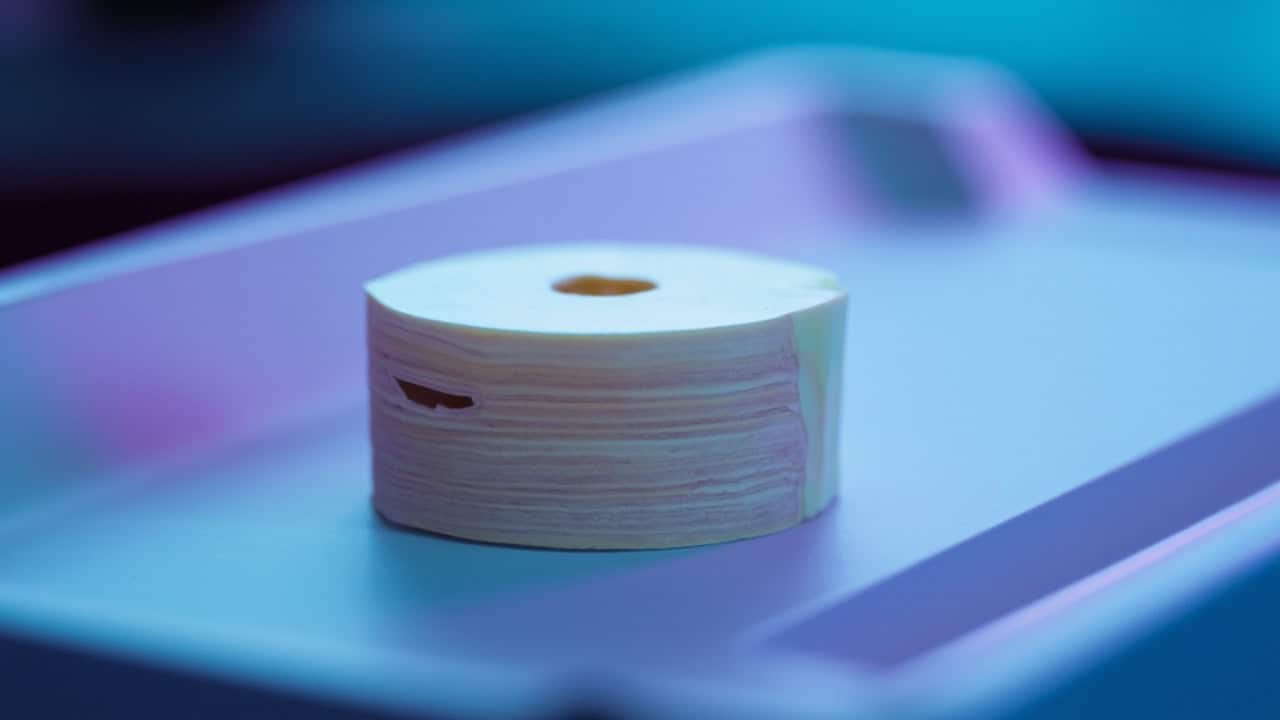
An annular tear is a structural defect in the tough outer layer of your spinal disc—the annulus fibrosus. This outer ring consists of concentric layers of collagen fibers that normally contain the gel-like nucleus pulposus inside. When these fibers tear, the inner disc material can leak through the defect. This leakage triggers a cascade of problems that extend far beyond simple mechanical instability.
Research demonstrates that annular tears trigger extradural inflammation that can spread to adjacent nerve roots. This creates what we call chemical radiculopathy—nerve irritation caused by inflammatory mediators rather than physical compression. In my Lawrenceville practice, I frequently see patients whose leg pain stems from this inflammatory process rather than a herniation pressing on the nerve. The nucleus pulposus contains proteins that act as chemical irritants when they escape the disc’s normal boundaries.
Imaging studies reveal perianular enhancement indicating ongoing inflammation that persists long after the initial injury. These changes appear on gadolinium-enhanced MRI as perianular enhancement—a sign that inflammation continues affecting the disc and surrounding structures. This explains why your pain may fluctuate or worsen weeks after you thought the injury was healing. The inflammatory environment prevents normal tissue repair and keeps pain-sensitive structures irritated.
Understanding this mechanism matters because it changes how we approach treatment. If your pain stems from ongoing inflammation and structural leakage, simply resting or strengthening muscles around the disc may provide temporary relief without addressing the underlying defect. The tear itself becomes the pain generator, not just a structural finding on your MRI.
If you want a deeper look at how disc injury can lead to ongoing symptoms, explore the guide to spinal disc tears: causes, symptoms, and treatment options.

How Long Does Natural Healing Take for Annular Tears in Lawrenceville?
The timeline question frustrates both patients and physicians because the answer depends on what we mean by “healing.” Acute inflammation from an annular tear typically peaks within the first few weeks after injury. During this phase, you may experience severe back pain, muscle spasm, and possibly radiating leg symptoms. Anti-inflammatory medications and activity modification often reduce these initial symptoms within six to twelve weeks.
However, symptom reduction does not equal structural healing. Imaging studies show perianular enhancement indicating ongoing inflammation even months after the initial injury. This persistent inflammatory response suggests that the tear itself has not closed. The disc continues leaking small amounts of nucleus pulposus, maintaining a chronic inflammatory state that can flare with certain movements or activities.
In my practice, I evaluate patients who followed conservative care protocols for three to six months but still experience recurring pain episodes. Their MRI findings often show the same annular tear identified months earlier, sometimes with additional signs of disc degeneration. This pattern indicates that the body’s natural repair mechanisms have not successfully sealed the defect. The tear remains structurally open, allowing continued leakage and inflammation.
Most patients reach a plateau where symptoms improve from the acute phase but never fully resolve. You might function reasonably well most days but experience pain flares with bending, lifting, or prolonged sitting. These recurring episodes signal that the underlying structural problem persists. The inflammation may wax and wane, but the tear itself has not healed in the way a muscle strain or ligament sprain would close and strengthen over time.
For anyone interested in the subtle differences between healing and remission, disc desiccation and its causes, symptoms, and treatment offers more insight.
Why Most Annular Tears Don’t Close: The Biology of Limited Repair
The annulus fibrosus faces severe biological disadvantages when it comes to healing. Unlike skin or bone, the outer disc layer receives minimal blood supply. Blood vessels penetrate only the outermost layers of the annulus, leaving the inner portions essentially avascular. Without adequate blood flow, your body cannot deliver the inflammatory cells, growth factors, and nutrients needed for organized tissue repair.
Mechanical factors regulating annulus fibrosus injury repair create additional obstacles to healing. Your spine experiences constant loading forces during daily activities—sitting, standing, bending, and twisting all place stress on the disc. These mechanical demands prevent the torn edges from approximating and staying together long enough for collagen fibers to bridge the gap. Imagine trying to heal a cut on your finger while constantly flexing and extending the joint—the wound edges never get the stable environment needed for repair.
The collagen architecture of the annulus fibrosus is highly specialized, with fibers arranged in alternating angles across multiple layers. When a tear disrupts this organization, the body’s repair response produces disorganized scar tissue rather than recreating the original layered structure. Biomechanical studies demonstrate that annulus fibrosus injury fundamentally alters disc mechanics in ways that simple scar formation cannot restore. The repaired tissue lacks the tensile strength and flexibility of healthy annulus.
Even when some tissue response occurs around the tear, it rarely results in complete closure. The nucleus pulposus continues exerting outward pressure on the weakened area, working against any repair attempts. This creates a vicious cycle where mechanical stress prevents healing, and the persistent defect allows continued inflammation. In my experience evaluating chronic disc pain, I find that most symptomatic annular tears identified on initial imaging remain visible on follow-up scans months or years later.
Learn about other challenging spinal disc injuries in our article about annular tear of lumbar disc.

What Happens When Annular Tears Don’t Heal Properly?
Persistent annular tears create a chronic inflammatory environment that affects not just the disc but surrounding spinal structures. The ongoing leakage of nucleus pulposus material maintains chemical irritation of nerve roots and the posterior longitudinal ligament—both highly pain-sensitive tissues. This explains why patients experience pain that seems disproportionate to what their MRI shows. The inflammatory mediators amplify pain signals and lower your pain threshold over time.
The mechanical consequences of an unhealed tear extend beyond inflammation. The disc loses its ability to maintain proper hydration and pressure distribution. As the nucleus pulposus continues leaking through the defect, the disc may gradually lose height. This collapse can alter the biomechanics of your entire spinal segment, increasing stress on facet joints and adjacent discs. I frequently see patients whose initial single-level disc problem has progressed to multilevel degeneration over several years.
Chronic disc inflammation can also trigger changes in the vertebral endplates—the cartilage surfaces where the disc attaches to bone. These Modic changes appear on MRI as bone marrow edema and indicate that the inflammatory process has spread beyond the disc itself. Patients with Modic changes may experience more severe and persistent pain than those with isolated annular tears. The pain becomes more constant rather than activity-related.
Research on fibrin-genipin adhesive hydrogels for annulus fibrosus repair demonstrates that biologic approaches can mechanically seal defects and support tissue integration in preclinical models. This work highlights an important principle: when natural healing mechanisms fail, targeted structural repair strategies may be necessary. The goal shifts from waiting for spontaneous closure to actively sealing the defect and creating an environment that supports organized collagen repair.
The progression from acute annular tear to chronic discogenic pain represents a failure of natural healing mechanisms. Understanding this progression helps explain why some patients benefit from interventions that directly address the structural defect rather than continuing symptom management alone. When conservative care has been appropriately attempted but symptoms persist beyond three to six months, advanced diagnostic evaluation can determine whether the tear remains actively symptomatic and whether structural repair approaches might be appropriate.
To explore cutting-edge treatments for ruptured discs, read everything you need to know about new treatments for ruptured discs.

One Patient’s Experience
Many patients feel frustrated when they’re told to “wait and see” if their annular tear will heal. Stories like Veronica’s illustrate why thorough evaluation matters.
“My Chiropractor, Dr. Garbs, referred me to Dr. Wiederholz for pain management. Everyone spoke wonders of him and his practice so I was excited to see what he could do for me and my neck/back pain. He did my steroid injections procedure and got me back to normal 100%…”
— Veronica
This is one patient’s experience; individual results may vary.
Read the full patient experience on Google
What I appreciate about working with patients like Veronica is the opportunity to provide clear explanations about their condition. When patients understand the underlying mechanisms causing their pain, they can make informed decisions about their care. Every patient’s journey is different, and thorough evaluation helps us determine the most appropriate treatment approach for their specific situation.
If you’re in the Lawrenceville region and want to learn more about your options, consider our contact page to request a personalized consultation.
Conclusion
Most annular tears do not fully close on their own due to the annulus fibrosus’s limited blood supply and the constant mechanical stress your spine experiences during daily activities. While acute inflammation may decrease within six to twelve weeks, the structural defect often persists, allowing continued leakage of inflammatory material that triggers recurring pain cycles. Evidence-based treatment guidelines emphasize accurate diagnosis and individualized care planning when conservative approaches have been appropriately attempted but symptoms persist beyond three to six months.
Specializing in disc-focused spine care in Lawrenceville, I use advanced disc-level diagnostics to determine whether your tear continues causing structural problems or has stabilized. This evaluation helps us move beyond symptom management alone and consider whether mechanism-based approaches might address the underlying defect. In appropriately selected patients with persistent symptoms from confirmed leaking discs, biologic fibrin-based strategies may help seal annular defects and support collagen repair where natural healing has proven insufficient.
If you’ve experienced persistent back pain despite conservative care and want to understand whether your annular tear has healed or continues leaking, I invite you to see if you may be a candidate for the Discseel® Procedure. For additional information about this cutting-edge technique, visit the Discseel® Procedure website. Serving patients from East Windsor and throughout the region, Performance Pain and Sports Medicine provides clarity about your disc’s structural status and helps determine the most appropriate next steps for your individual situation.
For local patients, learn more about treatment options at our Lawrenceville practice.
For further reading about annular tear recovery time, see disc tear treatment: restoring the integrity of your spine.
This article is for educational purposes only and should not be used as a substitute for professional medical advice, diagnosis, or treatment. Always seek the advice of your physician or other qualified healthcare provider with any questions you may have regarding a medical condition or treatment options. Never disregard professional medical advice or delay in seeking it because of something you have read in this article.
Frequently Asked Questions
Can annular tears heal on their own?
Most annular tears have limited capacity for spontaneous structural closure due to poor blood supply to the outer disc layer and constant mechanical stress from daily spinal movements. While acute inflammation may decrease within six to twelve weeks, imaging studies often show the tear remains structurally present months later. Some tears may stabilize and become less symptomatic over time even without complete closure, but many continue causing recurring pain episodes because the defect allows ongoing leakage of inflammatory material. Explore herniated disc symptoms, causes, and treatment for related conditions.
How long should I wait before considering advanced treatment?
If you’ve followed appropriate conservative care including physical therapy, activity modification, and anti-inflammatory approaches for three to six months but still experience significant pain that limits your daily activities, it may be time for advanced diagnostic evaluation. Persistent symptoms beyond this timeframe often indicate the tear has not healed adequately. However, treatment decisions should be individualized based on your specific disc pathology, symptom pattern, and functional goals rather than following a rigid timeline.
Check out our article on effective treatment options for L5-S1 disc herniation pain for more on advanced care pathways.
What makes Dr. Wiederholz’s approach different?
I use disc-level diagnostics including specialized imaging to determine whether your annular tear continues actively leaking and causing inflammation, rather than relying solely on standard MRI findings. As one of only three certified master instructors for the Discseel® Procedure worldwide and among the very few physicians authorized to perform cervical Discseel®, I was personally trained by the procedure’s inventor. My quadruple board certification in Physical Medicine, Pain Medicine, Sports Medicine, and Regenerative Medicine allows me to evaluate your condition comprehensively and recommend mechanism-based approaches when conservative care has been appropriately attempted but structural defects persist.
Where can I find annular tear treatment in Lawrenceville, NJ?
Dr. Matthias Wiederholz with Performance Pain and Sports Medicine provides comprehensive annular tear evaluation and treatment in Lawrenceville, serving patients throughout the Princeton, West Windsor, and East Windsor areas. Our practice specializes in advanced disc-level diagnostics to determine whether your tear has healed or continues causing structural problems. We offer evidence-based treatment approaches ranging from conservative care to regenerative medicine options for appropriately selected candidates. Contact our office to schedule a thorough evaluation of your specific disc pathology and discuss individualized treatment options based on your unique situation.