

By Dr. Matthias Wiederholz with Performance Pain and Sports Medicine
Quadruple Board-Certified in Physical Medicine & Rehabilitation, Sports Medicine, Pain Medicine, and Regenerative Medicine
Quick Insights
Home spinal decompression involves techniques that temporarily reduce pressure on discs and nerves through stretching, positioning, or gravity-assisted traction. These methods may provide short-term symptom relief by creating space between vertebrae and reducing mechanical compression. However, home decompression cannot seal annular tears in damaged discs or address the inflammatory chemicals that often drive chronic pain. While safe techniques like specific stretches and positional decompression can be helpful, they do not repair underlying disc pathology. Persistent or worsening symptoms typically require physician evaluation to determine if structural disc damage needs targeted treatment.
Key Takeaways
- Research shows disc height increases correlate with pain reduction in controlled clinical decompression settings.
- Annular tears occur in many patients with chronic back pain and create inflammatory responses beyond mechanical compression.
- Chemical radiculitis from disc tears can cause pain even when mechanical pressure is temporarily relieved.
- Safe home methods include specific stretches and positioning but require proper technique to avoid injury.
Why It Matters
Understanding what home decompression can and cannot accomplish helps you make informed decisions about your spine care. Temporary relief from mechanical pressure may improve daily function and sleep quality in some cases. However, recognizing when symptoms indicate underlying disc tears or inflammation that require professional evaluation prevents prolonged suffering and potential progression. Knowing these limitations empowers you to seek appropriate care when conservative approaches prove insufficient for your quality of life.
Introduction
As a quadruple board-certified physician specializing in spine care, I’ve evaluated many Houston patients seeking relief through home decompression methods. While techniques like inversion tables and specific stretches can temporarily reduce mechanical pressure on spinal discs, they cannot address a critical underlying problem: annular tears that allow inflammatory disc material to leak and irritate surrounding nerves. Disc degeneration involves both structural damage and inflammatory processes that mechanical decompression alone cannot resolve.
Home spinal decompression refers to techniques that create space between vertebrae through stretching, positioning, or gravity-assisted traction. These methods may provide short-term symptom relief by temporarily reducing intradiscal pressure. However, they do not seal the tears in your disc’s outer wall or stop the inflammatory chemicals that often drive chronic pain.
Understanding this distinction matters because persistent pain despite home decompression efforts typically signals underlying disc pathology requiring professional evaluation. At Performance Pain & Sports Medicine, our Houston team helps patients determine when conservative approaches have reached their limits and when targeted interventions become necessary. Our practice focuses on accurate diagnosis and mechanism-based treatment. Learn more about the Discseel® Procedure, which addresses disc tears resistant to home methods, or explore my background and expertise in advanced disc therapies.
This article evaluates what home decompression can and cannot accomplish, helping you make informed decisions about your spine care and recognize when physician-led treatment may be appropriate. If you have persistent discomfort, especially from back pain, understanding your options is the first step toward lasting relief.
What Does Spinal Decompression Actually Mean?
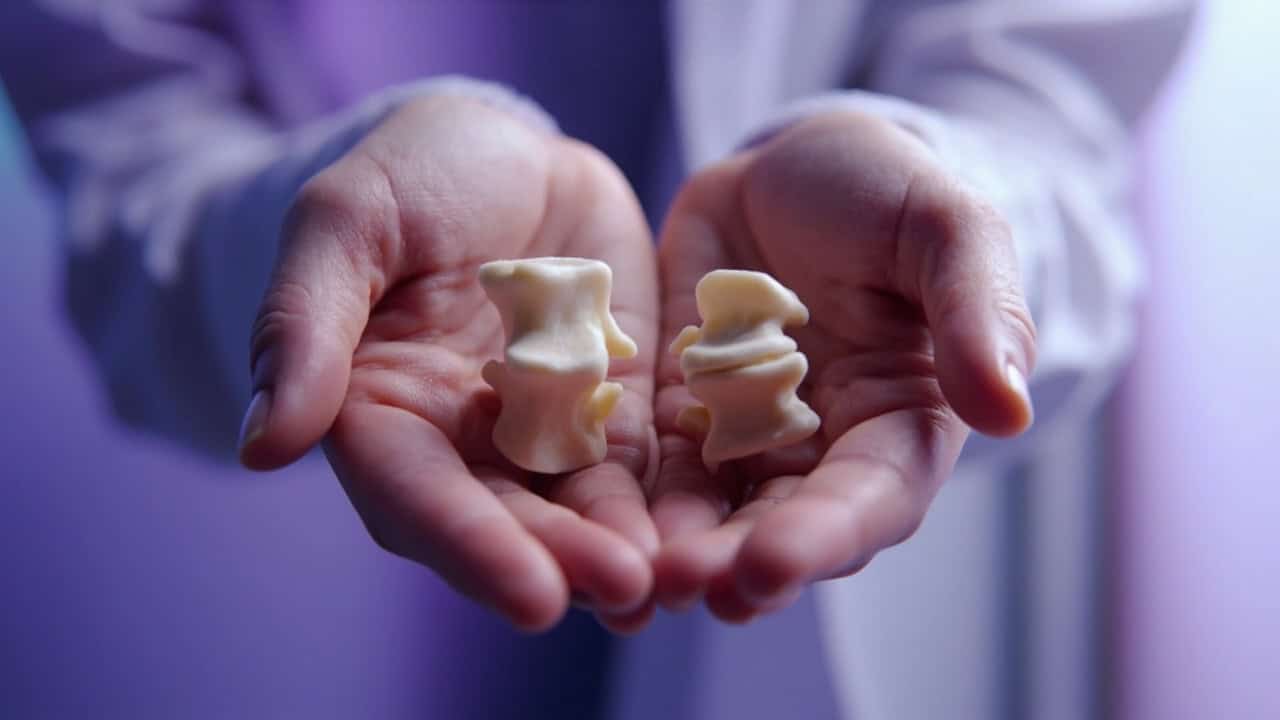
Spinal decompression refers to any technique that reduces pressure on your intervertebral discs and nerve roots. When you decompress your spine, you create temporary space between vertebrae. This spacing can reduce mechanical loading on compressed structures. The concept applies to both clinical decompression devices and home methods like inversion tables or specific stretches.
In my Houston practice, I explain decompression using a simple analogy. Think of your disc as a water balloon between two blocks. When you press the blocks together, the balloon bulges outward. When you pull the blocks apart, the balloon returns toward its normal shape. Decompression attempts to create that separation, reducing the bulge that may press on nearby nerves.
Clinical studies demonstrate that controlled decompression can temporarily increase disc height and correlate with pain reduction in some patients. However, these studies evaluated supervised, device-based protocols in clinical settings. The results do not automatically extend to unsupervised home methods. For a deeper understanding of disc-related issues, you can read more about the guide to spinal disc tears—causes, symptoms, and treatment options.
Home decompression techniques work through similar mechanical principles. Gravity-assisted methods like inversion tables use your body weight to create traction. Positional decompression uses specific body positions to reduce load on particular disc levels. Stretching exercises can temporarily elongate the spine and reduce compression forces.
The keyword here is “temporary.” Mechanical decompression does not repair damaged disc structures. It cannot seal tears in your disc’s outer wall or stop inflammatory chemicals from leaking through those tears. Understanding this limitation helps you set realistic expectations for what home methods can accomplish.

Safe At-Home Decompression Techniques for Houston Residents
Several home decompression methods can be performed safely with proper technique and appropriate precautions. Inversion tables allow controlled, gravity-assisted traction by tilting your body at various angles. Start with minimal angles and short durations. Never invert fully if you have high blood pressure, glaucoma, or heart conditions.
Hanging from a pull-up bar provides simple axial decompression. Your body weight creates traction through your spine. Hold for 10 to 30 seconds initially. This method works well for younger patients with good upper body strength. Avoid this if you have shoulder problems or cannot support your weight safely.
Specific stretching exercises can decompress targeted spinal regions. The child’s pose stretches your lumbar spine gently. Cat-cow movements create dynamic decompression through flexion and extension. Knee-to-chest stretches reduce pressure on lower lumbar discs. Perform these movements slowly and stop if pain increases.
Positional decompression uses body positioning to reduce disc pressure. Lying on your back with knees elevated on pillows reduces lumbar disc loading. Side-lying with a pillow between your knees can relieve pressure on specific disc levels. These positions work well for nighttime symptom management.
I often recommend these techniques to patients as part of comprehensive conservative care. They may provide temporary relief by reducing mechanical compression. However, inflammatory mediators associated with disc degeneration can contribute to ongoing pain; further research is needed to determine their persistence and role following mechanical decompression. This explains why some patients experience only partial or short-lived improvement.
Safety considerations matter significantly. Avoid aggressive decompression if you have osteoporosis, as excessive traction may stress weakened bones. Stop immediately if you develop increased leg pain, numbness, or weakness. These symptoms may indicate nerve irritation from improper technique or underlying pathology requiring evaluation. Learn about herniated disc exercises that strengthen the spine while minimizing risk.

What Home Decompression Cannot Do: The Disc Tear Problem
The critical limitation of home decompression involves what happens inside your damaged disc. Your intervertebral disc consists of a gel-like nucleus pulposus surrounded by the tough annulus fibrosus. When the annulus tears, nucleus material can leak through the defect. This leakage creates inflammation that irritates nearby nerve fibers.
Research shows that annular tears are prevalent across the general population, and their frequency increases further in patients with chronic back pain. These tears demonstrate inflammatory phenomena on advanced imaging. The inflammation exists independently of mechanical compression. Reducing pressure on the disc does not seal the tear or stop the leakage.
In my practice, I see patients who experience temporary relief from decompression but return with persistent symptoms. The mechanical decompression reduced nerve root compression temporarily. However, the annular tear continued leaking inflammatory disc material. Chemical radiculitis from these inflammatory mediators can cause pain even when mechanical pressure decreases.
Home decompression methods cannot stimulate disc repair or collagen regeneration. They do not trigger biological healing processes within the damaged annulus. The tear remains open, allowing continued leakage whenever you load your spine through normal activities. This explains the cycle of temporary relief followed by symptom return. To understand more about how tears affect disc health, see disc tear treatment: restoring the integrity of your spine.
The inflammatory cascade involves multiple biochemical mediators. These substances sensitize nerve endings and create pain signals. Mechanical decompression does not address this chemical component of disc-related pain. Understanding this distinction helps explain why some patients need more than conservative mechanical approaches.
Imaging studies using gadolinium enhancement demonstrate extradural inflammation around annular tears. This inflammation represents active pathology that mechanical decompression alone cannot resolve. The disc requires biological repair mechanisms to seal the tear and stop the inflammatory process.
When Home Methods Aren’t Enough: Recognizing the Limits for Houston Patients
Several signs indicate that home decompression methods are not adequately addressing your disc pathology. Persistent pain despite consistent home decompression efforts suggests underlying structural problems. If symptoms return quickly after each decompression session, mechanical relief alone is insufficient.
Progressive functional limitations signal the need for professional evaluation. Difficulty performing daily activities, interrupted sleep, or increasing medication requirements indicate inadequate symptom control. These patterns suggest that conservative mechanical approaches have reached their therapeutic ceiling.
Symptoms that worsen with home decompression require immediate physician assessment. Increased leg pain, new numbness, or developing weakness may indicate nerve compromise. These neurological changes demand urgent evaluation to prevent permanent damage. Stop home decompression immediately if these symptoms develop.
In my practice, I evaluate patients who have tried appropriate conservative care without adequate improvement. This evaluation includes detailed history, physical examination, and review of imaging studies. I look for evidence of annular tears, disc degeneration, and inflammatory changes that explain persistent symptoms.
Research on intradiscal fibrin sealant approaches demonstrates that biologic interventions can address disc tears directly. These treatments target the structural defect and inflammatory process that mechanical decompression cannot resolve. They represent a different therapeutic approach focused on disc repair rather than symptom management. More on advanced disc problems can be found in the comprehensive guide to L5-S1 bulging disc.
Diagnostic procedures like annulargrams can identify actively leaking discs. This information guides treatment decisions by confirming which disc levels require intervention. The diagnostic process ensures that any advanced treatment targets the actual pain generator rather than incidental imaging findings.
Evidence-Based Alternatives When Conservative Care Falls Short
When home decompression and standard conservative care prove insufficient, physician-led interventional options become appropriate considerations. These approaches address the biological limitations of mechanical decompression by targeting disc repair and inflammatory control. The goal shifts from temporary symptom relief to structural healing.
Biologic disc repair procedures use fibrin-based sealants to close annular tears. The sealant mechanically seals the defect, preventing further leakage of inflammatory disc material. One study examining fibrin sealants applied after endoscopic discectomy suggested they may play a role in reducing early recurrence by reinforcing the damaged annulus. This repair-focused approach differs fundamentally from decompression alone.
The Discseel® Procedure represents one such biologic approach. I perform this minimally invasive treatment in Houston. The procedure involves injecting a specialized fibrin sealant into the annulus fibrosus under fluoroscopic guidance. The sealant seals tears, reduces disc leakage, and supports natural collagen regeneration within the disc structure. Learn about Discseel® reviews—achieving lasting back pain relief from real patients and their outcomes.
Discseel® addresses the specific pathology that home decompression cannot resolve. By sealing annular tears, the procedure stops the inflammatory cascade at its source. This mechanism-based approach targets the biological problem rather than just managing mechanical symptoms. The treatment is performed in an office setting without general anesthesia or surgical incisions.
Patient selection for advanced interventions requires careful diagnostic evaluation. I use annulargram imaging to identify which discs are actively leaking. This diagnostic step ensures treatment targets the actual pain generators. Not every patient with back pain requires biologic disc repair, but those with confirmed discogenic pain and persistent symptoms despite conservative care may benefit.
I evaluate each patient’s specific disc pathology and symptom pattern, drawing on my training directly under the procedure’s inventor as a Discseel® Master Instructor. The goal is to match the right treatment to the underlying problem. Some patients respond well to continued conservative care with modifications. Others require targeted disc repair to achieve meaningful improvement.
The decision to pursue advanced treatment should follow appropriate conservative care trials. Physical therapy, activity modification, and supervised decompression protocols deserve adequate trials in most cases. However, when these approaches fail to provide acceptable symptom control and functional improvement, biologic disc repair becomes a reasonable consideration for appropriately selected patients. For patients in the region, Houston location details are available here.

One Patient’s Experience
I’ve worked with many patients who discovered that home decompression methods have real limits. Margaret, a 54-year-old nurse from Stafford, came to our office seeking a different kind of care after trying various conservative approaches.
She had spent months using an inversion table and following stretching protocols she found online. While these methods provided temporary relief, her symptoms always returned within hours. The cycle of brief improvement followed by persistent pain left her frustrated and searching for answers.
During her evaluation, we discovered annular tears that explained why mechanical decompression alone wasn’t sufficient. Her disc pathology required a different approach—one that addressed the structural damage rather than just managing symptoms temporarily.
After thorough diagnostic imaging and discussion of her options, Margaret decided to pursue treatment. She appreciated the detailed explanation of how the procedure would target her specific disc pathology. The mechanism-based approach made sense to her nursing background.
Dr. Wiederholz took the time to explain exactly what was happening with my discs and why home methods weren’t working. His thorough approach and clear communication gave me confidence in moving forward with treatment. The entire team made me feel heard and supported throughout the process.
This represents one patient’s experience; individual results may vary.
What matters most to me is creating an environment where patients feel heard and understood. Every treatment decision should be based on thorough evaluation and clear communication about what different approaches can accomplish.
Conclusion
Home spinal decompression methods like inversion tables and specific stretches can temporarily reduce mechanical pressure on your discs and nerves. Research demonstrates that controlled decompression may correlate with pain reduction in supervised clinical settings. However, these techniques cannot seal annular tears or stop the inflammatory chemicals that leak through damaged disc walls. This biological limitation explains why some patients experience only short-lived relief despite consistent home decompression efforts.
I help patients understand when conservative approaches have reached their limits. If your symptoms persist despite appropriate home care trials, diagnostic evaluation can identify whether annular tears or inflammatory disc pathology require targeted intervention. The goal is to match your specific disc problem to the right treatment approach.
If you’ve tried home decompression methods without adequate improvement, consider whether underlying disc tears may be driving your persistent pain. Whether you’re in the Houston area, see if you may be a candidate for the Discseel® Procedure through a comprehensive evaluation at Performance Pain & Sports Medicine.
This article is for educational purposes only and should not be used as a substitute for professional medical advice, diagnosis, or treatment. Always seek the advice of your physician or other qualified healthcare provider with any questions you may have regarding a medical condition or treatment options. Never disregard professional medical advice or delay in seeking it because of something you have read in this article.
Frequently Asked Questions
Are home spinal decompression methods safe for everyone?
Home decompression techniques can be safe when performed correctly, but they are not appropriate for everyone. Avoid inversion tables if you have high blood pressure, glaucoma, heart conditions, or osteoporosis. Stop immediately if you develop increased leg pain, numbness, or weakness. These symptoms may indicate nerve irritation requiring physician evaluation.
Always start with minimal angles and short durations. Consult your physician before beginning any home decompression program, especially if you have underlying medical conditions or take blood thinners.
How do I know if I need more than home decompression?
Persistent pain despite consistent home decompression efforts suggests underlying disc pathology that mechanical relief alone cannot address. Progressive functional limitations, interrupted sleep, or quickly returning symptoms after each decompression session indicate inadequate symptom control. Inflammatory mechanisms in disc tears may require targeted intervention beyond load reduction.
If you need increasing medication or cannot perform daily activities comfortably, a professional evaluation can determine whether annular tears or disc leakage require physician-led treatment. Learn more in this article about herniated disc symptoms, causes, and treatment.
What makes Discseel® different from mechanical decompression?
Mechanical decompression temporarily reduces pressure on discs but cannot seal annular tears or stop inflammatory disc material from leaking. Discseel® uses a biologic fibrin sealant to mechanically close tears in your disc’s outer wall, addressing the structural defect that decompression alone cannot repair. The procedure targets the underlying pathology rather than just managing symptoms.
Diagnostic annulargram imaging identifies which discs are actively leaking, ensuring treatment addresses your actual pain generators. This mechanism-based approach may benefit appropriately selected patients with confirmed discogenic pain who have not responded adequately to conservative care.
Where can I find help with spinal decompression in Houston?
If you’re experiencing persistent spine pain despite home decompression efforts, a comprehensive evaluation can determine whether your symptoms stem from annular tears or inflammatory disc pathology. At Performance Pain & Sports Medicine in Houston, Dr. Matthias Wiederholz provides a thorough diagnostic assessment using advanced imaging techniques to identify the source of your pain.
Dr. Wiederholz specializes in matching patients with the most appropriate treatment for their specific disc pathology. Contact the practice to schedule an evaluation and learn whether you may be a candidate for targeted disc repair procedures.