
By Dr. Matthias Wiederholz with Performance Pain and Sports Medicine
Quadruple Board-Certified in Physical Medicine & Rehabilitation, Sports Medicine, Pain Medicine, and Regenerative Medicine
Updated March 4, 2026
Medically reviewed and updated for accuracy
Quick Insights
The term “rehydrate spinal discs” often refers to restoring water content in degenerated discs. While water is essential for disc function, drinking more water cannot reverse disc degeneration. Degenerated discs lose water because structural damage prevents the disc from holding fluid. The nucleus pulposus relies on proteoglycans to attract water, but these molecules break down with age and injury. A tear in the annulus fibrosus can impair the disc’s ability to maintain pressure and hydration; therefore, increased water intake alone is unlikely to resolve this issue.
Key Takeaways
- Healthy discs contain approximately 80% water; degenerated discs lose proteoglycans that bind water molecules.
- Spinal discs rely on limited diffusion through the endplates for hydration; therefore, increasing water intake alone is unlikely to restore disc height.
- Hydration is essential for disc function; however, repairing annular tears or cellular damage typically requires more than just adequate hydration.
- True disc regeneration requires addressing structural damage, inflammation control, and cellular repair mechanisms.
Why It Matters
Chronic disc pain can negatively impact various aspects of daily life, including sleep quality, work productivity, and family activities. Understanding the difference between hydration and regeneration helps you avoid ineffective treatments and focus on evidence-based solutions. Knowing what actually works—and what doesn’t—empowers you to make informed decisions about your spine health and pursue interventions that address the root cause of your pain.
Introduction
As a quadruple board-certified physician specializing in spine care in Lawrenceville, I’ve heard countless patients ask about rehydrating their spinal discs.
The promise sounds appealing: drink more water, take certain supplements, or try specific exercises to restore your discs to their youthful state. But here’s the reality—disc degeneration involves proteoglycan loss and structural damage that water intake alone cannot reverse. While hydration does affect disc mechanics temporarily, it doesn’t repair annular tears or restore damaged tissue.
Understanding how to rehydrate spinal discs requires separating marketing claims from actual science. The nucleus pulposus relies on proteoglycans to attract water molecules, but these break down with age and injury. A tear in the annulus fibrosus can impair the disc’s ability to maintain pressure and hydration; therefore, increased water intake alone is unlikely to resolve this issue.
This article examines the biology of disc hydration, explains why passive hydration strategies fall short, and discusses evidence-based approaches that address the root cause of disc degeneration. Whether you’re in the Lawrenceville area or traveling from further out, you’ll learn what actually works when conservative care isn’t enough. For more about my background and expertise, you can visit my professional bio.
If you’re suffering from persistent back pain that hasn’t improved with conservative treatments, understanding the science behind disc health is crucial.
What Does It Mean to ‘Rehydrate’ a Spinal Disc?
When patients search for how to rehydrate spinal discs, they typically imagine restoring water content through drinking more fluids or taking supplements. The term “rehydration” suggests a simple fix—like watering a dried plant. However, disc hydration involves complex biomechanical processes that water intake alone cannot control.
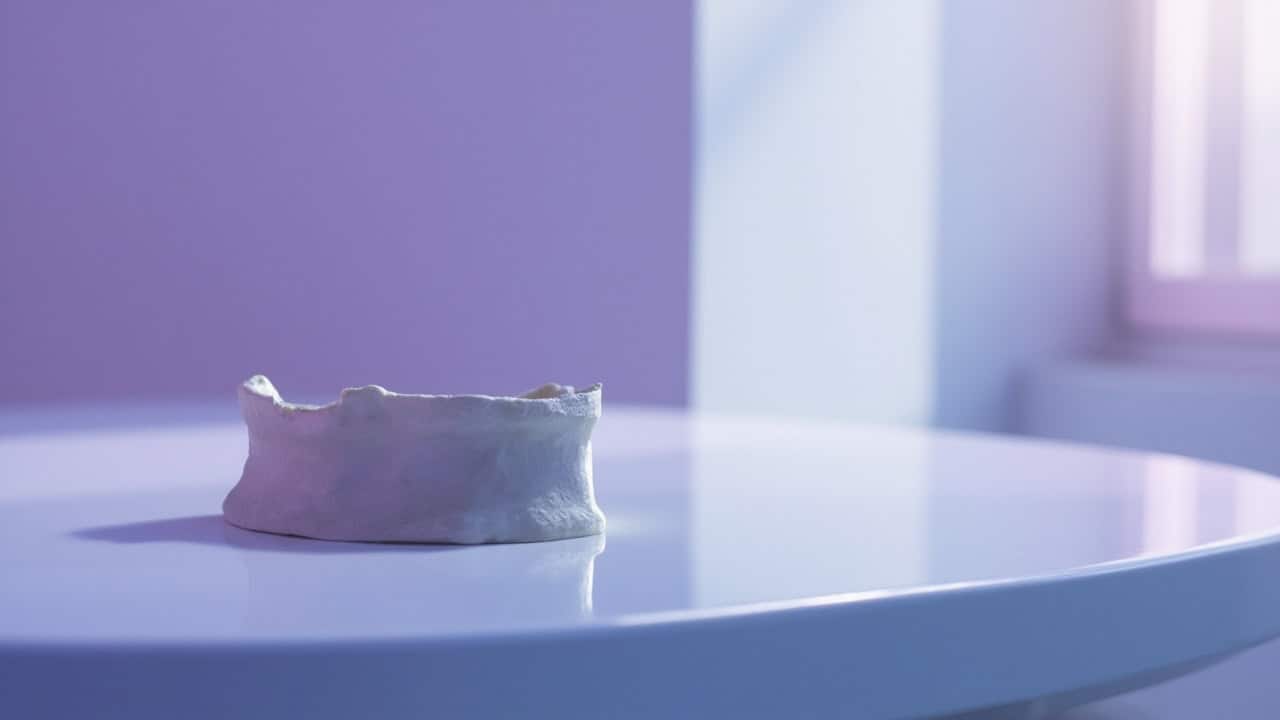
In my practice, I explain that disc hydration pertains to the water content within the nucleus pulposus and annulus fibrosus. Hydration drives disc swelling and mechanical stiffness in healthy discs, affecting how your spine absorbs shock and distributes load. When discs lose water, they lose height and cushioning capacity.
The confusion arises because marketing claims often blur the line between temporary mechanical changes and actual structural repair. A disc may temporarily swell with improved hydration status, but this doesn’t mean the underlying degeneration has reversed. The proteoglycans that bind water molecules have already broken down, and annular tears prevent the disc from maintaining pressure regardless of your water intake.
For a deeper dive into spine disc mechanics and what symptoms to look for, consider reviewing our comprehensive guide to L5-S1 bulging disc.
Understanding this distinction matters because it shapes realistic expectations about what different treatments can achieve. True disc repair requires addressing structural damage, not just fluid balance.

The Biology of Disc Hydration: Why Water Content Matters
Healthy spinal discs contain approximately 80% water, with the nucleus pulposus holding the highest concentration. This water content isn’t passive—it creates the hydraulic pressure that allows your spine to bear load and absorb shock during movement.
Proteoglycans within the disc matrix attract and bind water molecules through their negative charge. These large molecules act like sponges, pulling fluid into the disc and creating swelling pressure. When you wake up taller in the morning, that’s because your discs rehydrated overnight while you were lying down.
Water content and osmotic loading influence annulus fibrosus tensile mechanical properties, affecting how disc tissue responds to stress. Dehydrated discs become stiffer and less resilient, changing how forces distribute through your spine. This altered biomechanics can accelerate wear on adjacent structures, leading to more complex lumbar degenerative disc disease.
However, degeneration fundamentally changes this system. As proteoglycans break down, the disc loses its ability to attract and hold water. The annulus fibrosus develops tears that allow nucleus material to leak out. Even if you increase systemic hydration, the damaged disc structure cannot maintain normal fluid balance.
In my Lawrenceville practice, I see patients who’ve tried every hydration strategy without relief because their disc pathology involves structural damage that water alone cannot fix.

Can Drinking More Water Rehydrate Your Discs?
The short answer is no—drinking more water cannot reverse disc degeneration or repair structural damage. While adequate hydration supports overall spinal health, it doesn’t directly restore degenerated discs to their original state.
Your discs receive nutrients and water through endplate diffusion, not direct blood supply. This diffusion process has strict limits on what can pass through and how quickly. Even with optimal systemic hydration, a degenerated disc with proteoglycan loss cannot regain its water-binding capacity through increased fluid intake.
Research shows that hydration changes alter disc swelling and mechanical properties, but increased fluid intake is not always beneficial—the disc’s structural integrity determines how it responds to hydration changes. A disc with annular tears may actually become more unstable with increased swelling.
I evaluate Lawrenceville-area patients who’ve spent months drinking extra water, taking collagen supplements, and using inversion tables without improvement. Their imaging shows annular tears and nucleus pulposus leakage that no amount of hydration can seal. The structural damage prevents the disc from maintaining normal pressure and fluid balance.
To learn more about annular disc injuries and their implications, check out our guide to spinal disc tears: causes, symptoms, and treatment options.
This doesn’t mean hydration is irrelevant—adequate water intake supports disc nutrition and waste removal. However, it cannot repair tears, restore proteoglycans, or reverse established degeneration.
Hydration vs. Regeneration: Understanding the Difference
Hydration and regeneration represent fundamentally different processes. Hydration involves temporary changes in disc water content and swelling pressure. Regeneration requires cellular repair, inflammation control, and structural restoration of damaged tissue.
Early injury, oxidative stress, and cellular senescence influence disc cell behavior beyond simple hydration status. Degenerated discs contain senescent cells that produce inflammatory mediators, damaged matrix that cannot bind water properly, and annular defects that allow leakage. These problems require biological intervention, not just fluid balance.
True disc regeneration involves addressing cellular dysfunction and structural damage through targeted therapies. This may include controlling inflammation, supporting matrix synthesis, and sealing annular tears to restore disc integrity. Hydration changes may follow successful regeneration, but they’re a consequence rather than the cause of improvement.
In my practice, I distinguish between treatments that temporarily modify symptoms through mechanical effects and those that address the underlying pathology. A decompression table may temporarily increase disc space and reduce pressure, providing symptom relief. However, it doesn’t seal annular tears or stop nucleus pulposus leakage.
For those wanting more about new ways to treat disc injuries, you may be interested in everything you need to know about new treatments for ruptured discs.
Understanding this difference helps patients avoid wasting time on approaches that cannot address their specific disc pathology.
What Actually Works: Evidence-Based Approaches to Disc Health
Effective disc care requires matching the intervention to the underlying pathology. For early degeneration without structural tears, conservative approaches, including physical therapy, core strengthening, and activity modification, can help manage symptoms and slow progression.
However, when annular tears are present and cause discogenic pain, conservative care often provides only temporary relief. Hydration state modulates disc biomechanics but does not equate to healing when structural damage exists. The torn annulus allows nucleus material and inflammatory mediators to leak, creating persistent pain regardless of hydration status.
For patients with confirmed annular tears and discogenic pain who haven’t responded to appropriate conservative care, I evaluate candidacy for the Discseel® Procedure at Performance Pain and Sports Medicine. This approach uses a biologic fibrin sealant to seal annular defects, stop disc leakage, and support collagen-based tissue repair. The procedure addresses the structural problem—the tear itself—rather than just managing symptoms. To learn more about the procedure itself, you can visit the Discseel® official site.
If your pain symptoms are more specific to a certain region, such as neck pain, addressing the root cause is essential for long-term recovery.
The diagnostic annulargram I perform during Discseel® identifies actively leaking discs, allowing targeted treatment of all symptomatic levels in one session. This differs from relying on MRI alone, which may show tears that aren’t currently leaking or causing pain.
Having performed this procedure extensively, I’ve seen how addressing annular integrity can change outcomes for patients whose pain persisted despite extensive conservative care. The procedure doesn’t claim to “rehydrate” discs in the way marketing suggests, but it does restore structural integrity that allows more normal disc mechanics and potentially improved fluid balance as a secondary effect.
To review patient experiences and outcomes from this approach, see our collection of Discseel® reviews: achieving lasting back pain relief.
The key is accurate diagnosis and appropriate patient selection. Not everyone with disc degeneration needs interventional treatment, but for those with confirmed annular tears and persistent discogenic pain, addressing the structural damage offers a mechanism-based solution that hydration strategies alone cannot provide.

A Patient’s Experience in Lawrenceville
As a physician, I’ve learned that the most powerful insights often come from patients themselves.
Chelsea came to our Lawrenceville practice after years of chronic back pain radiating down her leg. She recently underwent the Discseel® Procedure and shared her experience:
I recently underwent a Discseel procedure with Dr. Wiederholz, and I can’t express how grateful I am for the incredible relief it has provided. Chronic pain that had plagued my back and radiated down my leg has significantly subsided, and I am on the path to recovery with the assistance of Physical Therapy.
— Chelsea
This is one patient’s experience; individual results may vary.
Chelsea’s story illustrates an important point: addressing structural disc damage—not just managing hydration—can lead to meaningful relief. Her recovery required patience and physical therapy support, but the foundation was sealing the annular tears that allowed her disc to heal properly.
For more stories and information on symptoms, see L5-S1 pain and its causes, symptoms, and treatment.
Conclusion
The question of how to rehydrate spinal discs reveals a fundamental gap between marketing promises and biological reality. While disc hydration matters for mechanical function, drinking water alone or taking supplements cannot reverse established degeneration or repair annular tears. The nucleus pulposus loses its water-binding capacity when proteoglycans break down, and torn annular fibers allow leakage regardless of your hydration status. True disc regeneration requires addressing cellular dysfunction and structural damage through targeted interventions, not passive hydration strategies.
In evaluating each patient’s specific disc pathology, I determine whether conservative care remains appropriate or whether structural repair options should be considered. For patients with confirmed annular tears and persistent discogenic pain who haven’t responded to appropriate conservative management, I may recommend the Discseel® Procedure—a mechanism-based approach that seals annular defects and supports collagen-based tissue repair.
Serving patients from Lawrenceville to Hamilton Square, I encourage you to contact us to see if you may be a candidate for the Discseel® Procedure.
This article is for educational purposes only and should not be used as a substitute for professional medical advice, diagnosis, or treatment. Always seek the advice of your physician or other qualified healthcare provider with any questions you may have regarding a medical condition or treatment options. Never disregard professional medical advice or delay in seeking it because of something you have read in this article.
Frequently Asked Questions
Can drinking more water heal a herniated or degenerated disc?
No. While adequate hydration supports overall spinal health and nutrient transport, drinking water cannot repair structural disc damage. Degenerated discs lose proteoglycans that bind water molecules, and annular tears allow nucleus material to leak out. Your disc receives nutrients through endplate diffusion, which has strict limits on what can pass through and how quickly.
Even with optimal systemic hydration, a damaged disc cannot regain its water-binding capacity or seal tears through increased fluid intake alone. For related symptoms and concerns, our guide on herniated disc symptoms, causes, and treatment provides further insight.
What is the difference between disc hydration and disc regeneration?
Hydration refers to temporary changes in disc water content and swelling pressure, which affect mechanical properties but don’t repair damaged tissue. Regeneration involves cellular repair, inflammation control, and structural restoration of the disc matrix and annulus.
Current regeneration strategies address both biological factors and mechanical integrity, including sealing annular defects, supporting matrix synthesis, and controlling inflammatory cascades. Hydration changes may follow successful regeneration, but they’re a consequence rather than the cause of improvement.
Is Discseel® a disc rehydration therapy?
No. Discseel® is a structural repair procedure that uses a biologic fibrin sealant to seal annular tears, stop disc leakage, and support collagen-based tissue repair. It addresses the underlying pathology—torn annular fibers that allow nucleus material and inflammatory mediators to leak—rather than attempting to passively rehydrate the disc.
While improved disc mechanics and potentially better fluid balance may occur as secondary effects of successful annular repair, the procedure’s primary mechanism targets structural integrity, not water content.
Where can I find disc rehydration therapy in Lawrenceville, NJ?
If you’re searching for disc rehydration therapy in Lawrenceville, it’s important to understand that true disc repair requires more than passive hydration approaches. At Performance Pain and Sports Medicine in Lawrenceville, you’ll receive a comprehensive evaluation to determine whether conservative care or interventional options like the Discseel® Procedure are appropriate for your specific disc pathology.
The focus is on addressing structural damage and annular tears that prevent discs from maintaining normal hydration, rather than relying on water intake or supplements alone. Contact our practice to schedule an evaluation.