
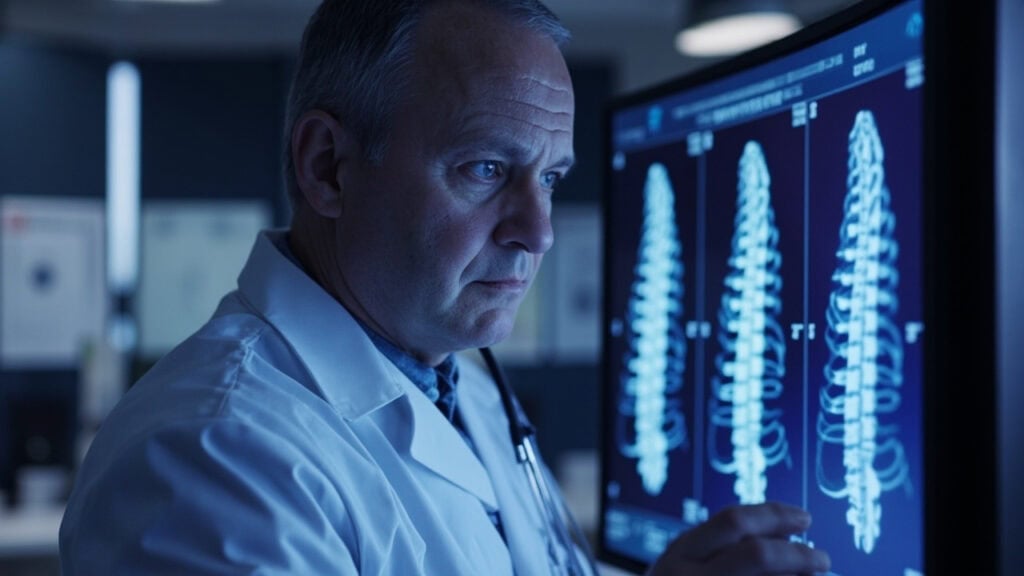
By Dr. Matthias Wiederholz with Performance Pain and Sports Medicine
Quadruple Board-Certified in Physical Medicine & Rehabilitation, Sports Medicine, Pain Medicine, and Regenerative Medicine
Quick Insights
Acupuncture can reduce pain and improve function in patients with herniated disc symptoms, but it does not repair damaged disc tissue. Research shows acupuncture modulates nerve pain pathways and may decrease inflammation around compressed nerves. Benefits typically include reduced leg or arm pain and better mobility. However, acupuncture does not heal annular tears or restore lost disc height. Houston patients with persistent symptoms despite acupuncture often have underlying disc damage that requires structural evaluation by a spine specialist.
Key Takeaways
- Large clinical trials show acupuncture reduces sciatica pain from herniated discs with benefits lasting up to one year.
- Acupuncture works by modulating pain signals in the nervous system, not by repairing disc structure.
- Studies confirm acupuncture’s safety profile when performed by qualified practitioners for disc-related nerve pain.
- Patients whose symptoms return after acupuncture may have progressive disc degeneration requiring different treatment approaches.
Why It Matters
Understanding what acupuncture can and cannot do helps you make informed decisions about your care. If you’ve tried acupuncture without lasting relief, your disc damage may need structural treatment. Knowing the difference between symptom management and disc repair empowers you to seek appropriate evaluation when conservative therapies aren’t enough to restore your quality of life.
Introduction
As a quadruple board-certified physician specializing in spine care in Houston, I’ve guided countless patients through the question of whether acupuncture can help herniated discs.
The answer requires understanding a critical distinction: acupuncture can reduce pain and improve function, but it does not repair damaged disc tissue. Research shows that acupuncture modulates nerve pain pathways and may decrease inflammation around compressed nerves, offering real symptom relief for many patients. However, it cannot heal annular tears or restore lost disc height. For those seeking a more targeted structural repair, the Discseel® Procedure can address underlying disc damage that acupuncture cannot.
Houston residents exploring acupuncture for herniated disc pain deserve clear, evidence-based information about what this therapy can realistically achieve. If you’ve tried acupuncture without lasting relief, your disc damage may need structural evaluation. Understanding what acupuncture can and cannot do empowers you to make informed decisions about your care and recognize when conservative therapies aren’t addressing the underlying problem. Serving patients from Kingwood to Cypress, I help individuals navigate these treatment decisions with transparency and expertise. If you’re looking to learn more about my approach and expertise, read more about my background.
If your symptoms relate to nerve pain and mobility, you might also benefit from learning about back pain treatments that are available alongside acupuncture and other conservative measures.

Does Acupuncture Help Herniated Discs
What the Research Shows: Acupuncture for Herniated Disc Pain in Houston
When patients ask me whether acupuncture helps herniated discs, I point them to the clinical trial data. A large randomized controlled trial demonstrated meaningful pain reduction in chronic sciatica from herniated discs. Patients receiving acupuncture showed improvement at four weeks that persisted through 52 weeks compared to sham treatment.
Several studies have investigated acupuncture’s effects on lumbar disc conditions, and there is also evidence supporting its efficacy in treating cervical disc conditions.
The evidence shows acupuncture can reduce radicular pain and improve function in the short to intermediate term. Network meta-analyses suggest different acupuncture techniques may yield varying degrees of relief, but the overall pattern points toward benefit for disc-related nerve pain.
In my Houston practice, I see patients who’ve tried acupuncture with real symptom improvement. The key is understanding what that improvement represents. These studies measure pain scores and functional capacity, not structural disc changes. The research supports acupuncture as a symptomatic intervention, not as a method of reversing disc pathology on imaging.
For more information about lumbar disc issues and treatment, see our comprehensive guide to L5-S1 bulging disc.
Does Acupuncture Help Herniated Discs
How Acupuncture Works for Nerve Pain (Not Disc Repair)
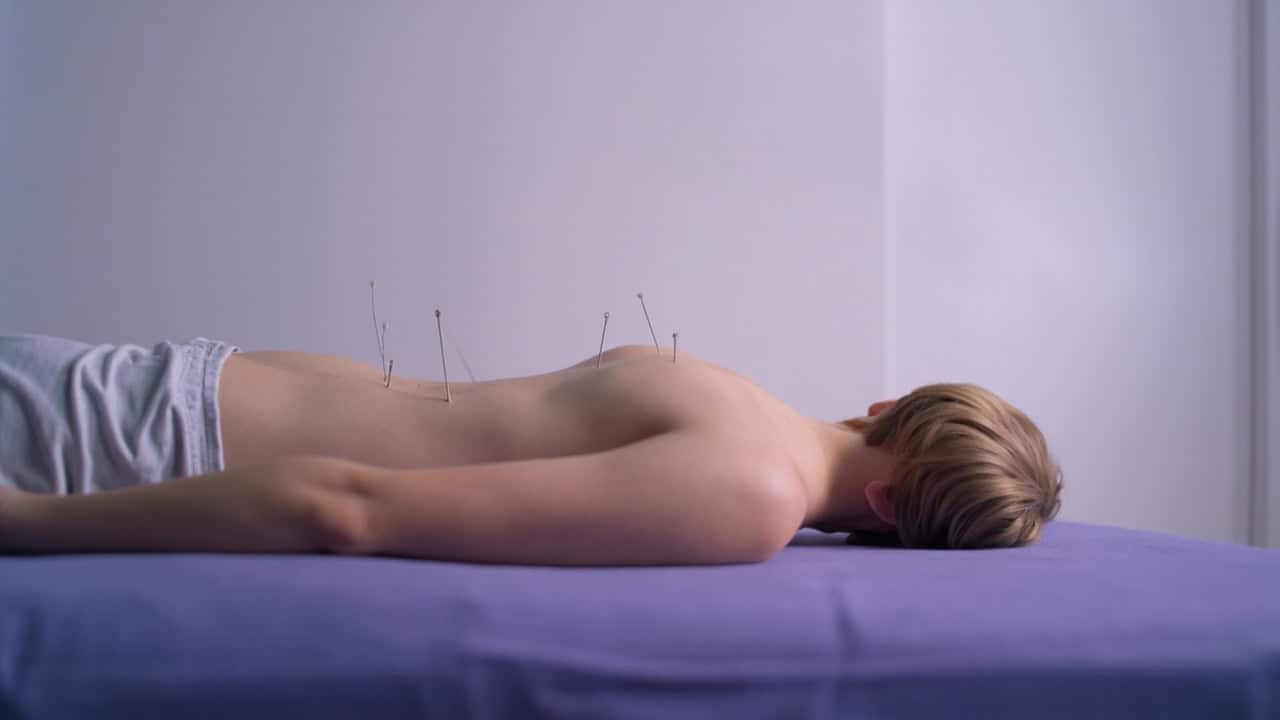
Acupuncture’s mechanism involves modulating pain pathways through peripheral nerve stimulation. Research on cervical radiculopathy mechanisms shows how targeted needle placement can alter nociceptive signaling and central pain processing. This neuromodulation reduces the brain’s perception of pain signals from compressed nerves.
The anti-inflammatory effects matter too. Studies suggest acupuncture may decrease chemical radiculitis around irritated nerve roots. This can reduce muscle spasm and improve mobility. Certain acupuncture techniques target specific neural structures, such as the sciatic nerve pathways, and there is evidence supporting techniques focusing on cervical nerve approaches.
What acupuncture does not do is repair the annulus fibrosus. The outer disc wall that tears and allows nucleus pulposus material to leak remains damaged. Acupuncture cannot seal annular tears or restore lost disc height. It modulates your nervous system’s response to the structural problem, but it doesn’t fix the structure itself.
When I evaluate Houston-area patients whose pain returns after acupuncture, I often find persistent annular tears on diagnostic imaging. The disc leakage continues, triggering ongoing inflammation despite temporary pain relief. Understanding this distinction helps patients make informed decisions about next steps.
Read The Guide to Spinal Disc Tears: Causes, Symptoms, and Treatment Options, for further details on disc structure and injury.
Acupuncture vs. Structural Disc Healing: Understanding the Difference
The critical distinction lies in what we’re treating—symptoms versus source. Systematic reviews of postoperative disc patients show acupuncture works as an adjunct for pain control, not structural repair. This clarifies acupuncture’s role in the treatment continuum.
Symptom management addresses pain, inflammation, and functional limitation. These are real benefits that improve the quality of life. Structural healing addresses the damaged annulus fibrosus, the disc leakage, and the mechanical instability, causing ongoing inflammation. These require different interventions.
Annular tears do not reliably heal on their own. The tough outer disc wall lacks the blood supply needed for spontaneous repair. When nucleus pulposus material leaks through these tears, it exposes pain-sensitive nerve fibers to inflammatory mediators. This creates the chemical radiculitis that drives discogenic pain.
Acupuncture can help your nervous system cope with this inflammation. It cannot seal the tear or stop the leak. In my practice, I explain this to patients considering their options. If your disc pathology is mild and acupuncture provides adequate relief, that may be sufficient. If symptoms persist or return, we need to address the structural source.
If you’re unsure whether your symptoms stem from an annular tear, our blog on the annular tear of the lumbar disc provides more insight.

Does Acupuncture Help Herniated Discs
When Acupuncture May Help Houston Patients—and When It Won’t Be Enough
Meta-analyses confirm acupuncture’s safety profile in cervical and lumbar radiculopathy when performed by qualified practitioners. For patients with mild to moderate nerve pain, acupuncture can be a reasonable first-line option. Long-term data show some patients maintain symptom improvement through one year.
Acupuncture works best as part of multimodal conservative care. Combined with appropriate physical therapy and activity modification, it may provide sufficient relief for patients whose disc damage is not severe. The key is monitoring your response and recognizing when symptoms plateau or return.
When acupuncture isn’t enough, I look for specific patterns. Persistent leg or arm pain despite consistent treatment suggests ongoing nerve compression. Pain that improves temporarily but returns indicates the structural problem remains active. Functional limitations that don’t resolve—difficulty walking, standing, or performing daily activities—signal the need for different approaches.
In these cases, I use diagnostic imaging and sometimes annulargram™ testing to identify actively leaking discs. This precision matters because treating symptoms without addressing the leak means the inflammatory cascade continues. Patients deserve to know when conservative care has reached its limit.
For those managing back or leg pain, our post on managing L4-L5 pain symptoms offers additional guidance on next steps.
Evidence-Based Alternatives When Conservative Care Isn’t Enough
Multicenter studies establish acupuncture’s role in comprehensive disc pain management. When that foundation of conservative care doesn’t resolve your underlying disc pathology, mechanism-based interventions become relevant.
The Discseel® Procedure targets what acupuncture cannot—the annular tear itself. Using a biologic fibrin sealant, we seal the defect in the disc wall, stop the leakage of inflammatory material, and support structural healing. This addresses the mechanical source of discogenic pain rather than just modulating your nervous system’s response to it.
I perform Discseel® for Houston patients with confirmed annular tears who haven’t achieved sufficient relief with conservative measures, including acupuncture, physical therapy, and medications. The diagnostic annulargram™ identifies which discs are actively leaking. We treat all symptomatic levels in one session, sealing the tears and reducing exposure of nerve fibers to inflammatory mediators.
Published outcome data show improvements in pain and function sustained over one to three years in registry studies, with no reported serious adverse events in these cohorts. Results vary by patient, and this evidence comes from observational designs rather than randomized trials. But for patients whose disc damage drives persistent pain despite appropriate conservative care, Discseel® offers a minimally invasive option that preserves motion and avoids fusion hardware.
Houston locals interested in regenerative options can learn more about our Houston location and treatment offerings.
The decision between continuing symptom management and pursuing structural repair requires individualized evaluation. Not every patient with a herniated disc needs Discseel®. But understanding the difference between pain relief and disc healing empowers you to recognize when your care pathway should evolve.
See Discseel reviews: Achieving lasting back pain relief to read about Discseel® patient results.

Does Acupuncture Help Herniated Discs
One Patient’s Experience
I recently treated Chelsea, who came to me after exploring multiple conservative approaches for her herniated disc pain.
I recently underwent a Discseel procedure with Dr. Wiederholz at Performance Pain and Sports Medicine, and I can’t express how grateful I am for the incredible relief it has provided. Chronic pain that had plagued my back and radiated down my leg has significantly subsided, and I am on the path to recovery with the assistance of Physical Therapy…
— Chelsea
This is one patient’s experience; individual results may vary.
Read the full patient experience on Google
Chelsea’s journey reflects what I see regularly in practice. Conservative therapies, including acupuncture, can provide temporary relief by modulating pain pathways. When symptoms persist despite appropriate conservative care, we evaluate for underlying disc pathology that requires structural treatment rather than symptom management alone.
Conclusion
Acupuncture can reduce pain and improve function in patients with herniated discs, but it does not repair damaged disc tissue. Research supports acupuncture’s role in comprehensive disc pain management as one component of conservative care. When symptoms persist despite appropriate conservative therapies, including acupuncture, your disc damage may require structural evaluation rather than continued symptom management alone.
As a quadruple board-certified physician specializing in disc-related spine conditions, I help Houston patients understand when conservative care has reached its limit. If acupuncture provided temporary relief but your pain returned, we need to identify whether ongoing annular tears are driving persistent inflammation. The Discseel® Procedure addresses what acupuncture cannot—sealing the structural defect in your disc wall to stop leakage and support healing. Not every patient needs this approach, but understanding the difference between pain relief and disc repair empowers you to make informed decisions about your care pathway.
Whether you’re in Spring, Kingwood, or Cypress, if conservative measures haven’t resolved your underlying disc pathology, schedule your consultation with us to see if advanced options are right for you.
For a deeper dive into related topics such as herniated disc symptoms, causes, and treatment, explore our comprehensive resources.
This article is for educational purposes only and should not be used as a substitute for professional medical advice, diagnosis, or treatment. Always seek the advice of your physician or other qualified healthcare provider with any questions you may have regarding a medical condition or treatment options. Never disregard professional medical advice or delay in seeking it because of something you have read in this article.
Frequently Asked Questions
Does acupuncture actually heal herniated discs?
No. Acupuncture modulates pain pathways and may reduce inflammation around compressed nerves, but it does not repair annular tears or restore disc structure. Clinical trials show acupuncture improves pain scores and function, not structural disc healing on imaging. The benefit represents symptom management rather than disc repair. When annular tears persist, the structural source of discogenic pain remains active despite temporary pain relief.
How long do acupuncture benefits last for herniated disc pain?
Studies show acupuncture can provide pain relief lasting weeks to months, with some patients maintaining improvement through one year. Duration varies by individual and depends on the underlying disc pathology severity. Patients with mild nerve compression may experience longer-lasting relief. Those with progressive disc degeneration or large annular tears often see symptoms return as the structural problem continues driving inflammation.
When should I consider treatments beyond acupuncture for my herniated disc?
Consider structural evaluation when pain persists despite consistent acupuncture, when symptoms improve temporarily but return, or when functional limitations don’t resolve. Persistent leg or arm pain suggests ongoing nerve compression. Pain that cycles indicates active disc leakage. If you cannot perform daily activities despite appropriate conservative care, including acupuncture, diagnostic imaging, and annulargram™ testing, can identify whether annular tears require mechanism-based intervention rather than continued symptom management.
If you want to know more about emergency signs and when to escalate care, our resource on emergency symptoms of a herniated disc can help.
Where can I find acupuncture for herniated discs in Houston?
Houston offers qualified acupuncture practitioners who specialize in disc-related nerve pain. When seeking acupuncture for herniated disc symptoms, look for practitioners with experience in radiculopathy and spinal conditions. At Performance Pain and Sports Medicine, we help patients understand when acupuncture may be appropriate as part of conservative care and when underlying disc pathology requires structural evaluation. If acupuncture hasn’t provided lasting relief, we can identify whether annular tears are driving persistent symptoms and discuss mechanism-based treatment options.