By Matthias Wiederholz, MD
Quadruple Board-Certified in Physical Medicine & Rehabilitation, Sports Medicine, Pain Medicine, and Regenerative Medicine
Quick Insights
How to increase spinal disc height requires understanding what causes height loss. Discs lose height when the outer annulus fibrosus tears and the inner nucleus pulposus degenerates. This creates structural damage that compression alone cannot fix. Drinking more water or hanging upside down provides only temporary relief. True height restoration requires repairing the disc’s structural integrity. Persistent symptoms despite conservative care often indicate the need for physician evaluation.
Key Takeaways
- Annular repair techniques significantly reduce reherniation rates compared to discectomy alone.
- Non-surgical decompression may temporarily increase disc height and alleviate pain; however, evidence regarding its ability to repair structural damage is limited and not well-established.
- Adequate disc height restoration after fusion decreases adjacent segment degeneration risk.
- Stem cell therapies show promise for disc repair in preclinical studies; however, clinical evidence remains limited and inconclusive.
Why It Matters
Understanding how to increase spinal disc height matters because lost height affects your daily mobility and quality of life. Reduced disc space can compress nerves, limit movement, and cause chronic pain that disrupts sleep and work. Knowing the difference between temporary relief and structural repair helps you make informed decisions about your spine care and avoid wasting time on ineffective approaches.
Introduction
As a quadruple board-certified physician serving Lawrenceville and surrounding communities, I’ve seen countless patients told their disc height loss is permanent.
Many people searching for how to increase spinal disc height hope that drinking more water or hanging upside down will restore their discs. The reality is more complex. Disc height decreases when the tough outer annulus fibrosus tears and allows the inner nucleus pulposus to leak out. This structural damage creates inflammation and pain that compression alone cannot fix.
While temporary decompression may provide short-term relief, recent advances in annulus fibrosus repair show that true restoration requires addressing the underlying defect.
Understanding how to increase spinal disc height starts with separating myth from mechanism. At Performance Pain and Sports Medicine in Lawrenceville, I help patients from Princeton to Plainsboro distinguish between approaches that temporarily relieve symptoms and those that target structural disc repair. Not every patient is a candidate for advanced interventions, but knowing what’s actually possible empowers you to make informed decisions about your spine care.
Learn more about the Discseel® Procedure, which is an advanced option for repairing structural disc damage.
As an expert in spine care, I invite you to review my professional background and expertise so you can feel confident in understanding your treatment possibilities.
For those seeking deeper insight into the mechanics of spinal pain, visit our resource on back pain and how it intersects with disc height loss.
What Causes Disc Height Loss?
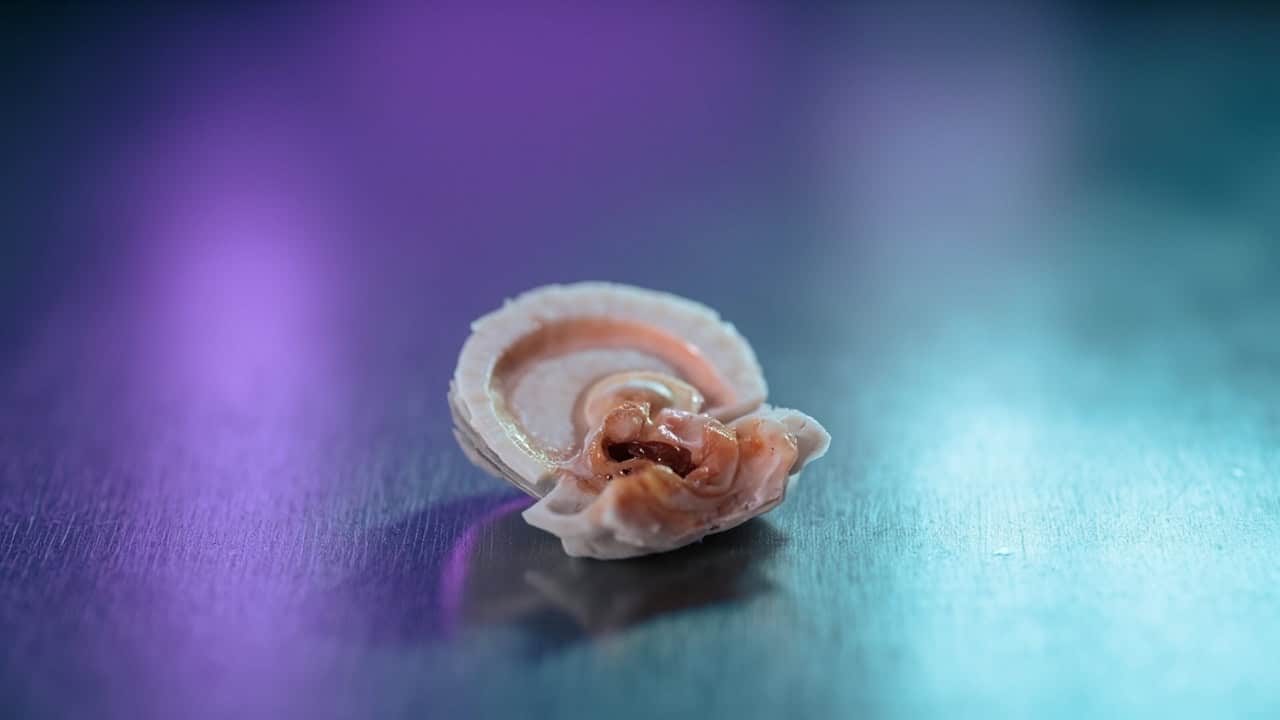
Disc height decreases when the tough outer annulus fibrosus develops tears and allows the gel-like nucleus pulposus to leak out. This structural breakdown creates a cascade of problems. The disc loses its ability to maintain pressure and support your spine. Nerve endings in the outer annulus become exposed to inflammatory proteins from the leaking nucleus. This combination of mechanical instability and chemical irritation generates the chronic pain many patients experience.
In my practice, I often see patients who’ve been told their disc degeneration is simply “wear and tear” or “normal aging.” While age-related changes do occur, the real issue is that annular tears don’t heal on their own. Once the annulus develops a defect, disc material continues to leak through that opening. Minimally invasive approaches can address symptoms, but they don’t repair the underlying structural damage that allows continued leakage.
The loss of disc height affects more than just that single spinal segment. When a disc collapses, it alters the biomechanics of your entire spine. Adjacent discs must compensate for the lost height and cushioning. Facet joints experience increased stress. Nerve openings become narrower. This explains why disc problems often progress over time rather than remaining stable.
For a deeper understanding of disc anatomy and related symptoms, explore our article on understanding S1 nerve distribution, anatomy, symptoms, and treatment.
Can You Really Increase Disc Height?
The answer depends on what you mean by “increase.” Temporary decompression can create measurable changes in disc spacing on imaging studies. Research shows that non-surgical spinal decompression may correlate with short-term height increases and pain relief in some patients. However, these changes don’t represent true structural repair of the damaged annulus.
Surgical approaches can restore disc height through mechanical means. Studies demonstrate that adequate disc height restoration during fusion procedures improves segmental alignment and may reduce adjacent segment degeneration. But fusion fundamentally changes your spine’s biomechanics by eliminating motion at the treated level. The hardware and bone graft create a solid bridge rather than restoring the disc’s natural function.
When evaluating patients in Lawrenceville who ask how to increase spinal disc height, I focus on identifying the true pain generator. Is the problem primarily mechanical compression of nerves? Is it discogenic pain from annular tears and inflammation? Or is it a combination of both? This diagnostic precision determines which approaches might actually help versus those that only provide temporary symptom relief. For more about disc degeneration and pain, read our guide to managing lumbar degenerative disc disease.
The key distinction is between interventions that temporarily unload the disc and those that address the structural defect, allowing disc material to leak. Traction and decompression create space by reducing pressure. Structural repair approaches aim to seal the annular tear and restore the disc’s ability to maintain its own height under normal loading conditions.
If you want to learn about specific disc pathologies, check out our comprehensive guide to L5-S1 bulging disc.

Hydration Myths vs. Structural Reality
Many patients ask me if drinking more water or using inversion tables will restore their disc height. The short answer is no. While discs do absorb fluid overnight when you’re lying down, this temporary rehydration doesn’t repair annular tears or reverse degeneration. By midday, gravitational loading squeezes that fluid back out through the same defects that caused the problem initially.
Inversion therapy and spinal decompression devices work on a similar principle. They reduce compressive forces temporarily, which may allow some fluid to move back into the disc. This can provide short-term symptom relief for some people. But the moment you return to normal upright activities, the disc experiences the same loading forces, and the same structural defects remain.
The fundamental issue is how to increase spinal disc height, which requires addressing the annular tear itself. Think of it like a leaky tire. Adding more air provides temporary inflation, but the tire keeps deflating through the hole. Pumping it up repeatedly doesn’t fix the puncture. The disc works the same way. Temporary decompression doesn’t seal the annular defect that allows nucleus pulposus material to escape.
This is why patients often experience a cycle of temporary improvement followed by symptom return. Conservative approaches like physical therapy, medications, and decompression can reduce pain and improve function. They’re valuable first-line treatments. But when symptoms persist despite these measures, it usually indicates that the underlying structural problem needs direct attention.
If you’re experiencing these issues, see our article on emergency symptoms of a herniated disc to recognize when urgent evaluation may be necessary.

Evidence-Based Approaches to Disc Height Restoration
True structural repair requires addressing the annular defect directly. Emerging research on stem cell therapy shows promise for disc regeneration in preclinical studies. These biologic approaches aim to restore disc matrix composition and cell viability. However, human clinical data remain limited, and results vary significantly between studies.
Annular repair techniques have demonstrated the ability to significantly reduce reherniation rates compared to discectomy alone. This research supports the concept that mechanically stabilizing annular defects helps preserve disc integrity. Various devices and scaffolds are being developed to close annular tears after surgical disc removal.
In my Lawrenceville practice, I evaluate patients for approaches that target the annular tear itself rather than just managing symptoms. The Discseel® Procedure uses a biologic fibrin sealant injected directly into the annulus fibrosus to seal tears and reduce disc leakage. This mechanism-based approach addresses the structural defect that allows inflammation and continued degeneration.
The diagnostic annulargram I perform during Discseel® identifies which discs are actively leaking. This precision matters because not all degenerative discs cause pain. By targeting only the symptomatic, leaking levels, we can address the actual pain generators rather than treating based on imaging findings alone. This differs fundamentally from approaches that decompress all degenerated levels or rely solely on MRI appearance.
Understanding how to increase spinal disc height means recognizing that structural repair takes time. Fibrin sealant creates an immediate mechanical seal, but the body’s collagen-based healing response develops over months. Patients need realistic expectations about the timeline for improvement and the difference between stopping further degeneration versus reversing years of damage.
If you’re interested in seeing how patients benefit from advanced disc procedures, browse our Discseel® reviews: achieving lasting back pain relief.

One Patient’s Experience
Margaret came to see me at our Lawrenceville office after years of searching for answers about her chronic back pain.
Like many patients, she’d been told her disc degeneration was simply something she’d have to live with. She’d tried multiple approaches but never felt like anyone took the time to help her truly understand what was happening in her spine or what her real options were.
My personal experience with Dr. Wiederholz – based on both appointments and other communications – has been fantastic. He seems to be determined to make sure you understand your own pain issues and treatment options. He will answer every question you may have, without making you feel like he is getting impatient. I highly recommend him, without reservation.
This is one patient’s experience; individual results may vary.
What matters most to me is ensuring every patient understands their diagnosis and feels confident in their treatment decisions. When patients grasp the underlying mechanism causing their pain, they can make informed choices about their care rather than feeling pressured or confused.
For individuals in or near Houston seeking local treatment options, Performance Pain & Sports Medicine Houston offers advanced solutions for disc height restoration and spine care.
If you want to explore available options for specific disc injuries, read our article on the guide to spinal disc tears: causes, symptoms, and treatment options.
Conclusion
Understanding how to increase spinal disc height requires recognizing that structural disc damage needs structural solutions. Temporary decompression from traction or hydration provides short-term relief, but annular tears continue leaking inflammatory material until the defect is sealed. Emerging regenerative approaches show promise for disc repair, though human evidence remains limited.
As a specialist in disc-related spine conditions, I help patients in Lawrenceville and surrounding areas distinguish between approaches that mask symptoms and those that address the underlying problem. The Discseel® Procedure uses biologic fibrin sealant to seal annular tears and support natural collagen repair in appropriately selected patients.
Not everyone is a candidate, but if persistent pain despite conservative care is disrupting your life, you can contact us to schedule an evaluation and explore your options for spinal disc repair.
Serving residents from Princeton to Cranbury, see if you may be a candidate for the Discseel® Procedure.
This article is for educational purposes only and should not be used as a substitute for professional medical advice, diagnosis, or treatment. Always seek the advice of your physician or other qualified healthcare provider with any questions you may have regarding a medical condition or treatment options. Never disregard professional medical advice or delay in seeking it because of something you have read in this article.
Frequently Asked Questions
Can drinking more water increase my disc height?
No. While discs absorb fluid overnight when you lie down, this temporary rehydration doesn’t repair annular tears or reverse degeneration. By midday, gravitational loading squeezes that fluid back out through the same structural defects. The fundamental problem is the annular tear itself, not hydration status. Drinking adequate water supports overall health, but it won’t restore disc height or seal the defects that allow disc material to leak.
What’s the difference between decompression and structural disc repair?
Decompression temporarily reduces pressure on the disc, which may allow some fluid movement and provide short-term symptom relief. Structural repair addresses the annular tear that allows disc material to escape. Think of it like a leaky tire—pumping air in provides temporary inflation, but the tire keeps deflating through the hole. Structural approaches aim to seal the defect so the disc can maintain its own integrity under normal loading conditions.
Am I too old for disc repair procedures?
Age alone doesn’t determine candidacy for disc-focused interventions. What matters is the condition of your discs, the presence of active annular tears, and whether your symptoms correlate with identifiable disc pathology. I evaluate patients in their 70s who are excellent candidates and patients in their 40s who aren’t. The diagnostic annulargram I perform identifies which discs are actively leaking, allowing precise treatment of the actual pain generators rather than treating based on age or imaging appearance alone.
Where can I find disc height restoration treatment in Lawrenceville?
Dr. Matthias Wiederholz at Performance Pain and Sports Medicine in Lawrenceville offers a comprehensive evaluation for disc-related spine conditions. The practice serves patients from Princeton, Plainsboro, Cranbury, and surrounding New Jersey communities. Dr. Wiederholz performs diagnostic annulargrams to identify actively leaking discs and offers mechanism-based treatments, including the Discseel® Procedure for appropriately selected candidates.
Not every patient qualifies for advanced interventions, but a thorough evaluation can clarify which options may help address your specific disc pathology.