

By Matthias Wiederholz, MD
Quadruple Board-Certified in Physical Medicine & Rehabilitation, Sports Medicine, Pain Medicine, and Anti-Aging, Regenerative & Functional Medicine
Introduction
As a quadruple board-certified physician specializing in spine care in Houston, I’ve guided hundreds of patients through the anxiety of herniated disc numbness. The question “how long can herniated disc numbness last” reflects a deeper concern: will my nerves recover, or am I facing permanent damage?
Research demonstrates that the majority of patients experience substantial improvement within 4–6 months when inflammation resolves naturally. However, numbness persisting beyond this window often signals ongoing nerve compression rather than temporary irritation. Understanding the difference between nerve irritation and nerve damage helps you recognize when symptoms follow normal healing patterns versus when they indicate progressive injury requiring expert evaluation.
At Performance Pain and Sports Medicine in Houston, I help patients navigate this critical distinction using advanced diagnostics that identify the underlying disc pathology driving persistent neurologic symptoms. Whether you’re in Conroe, Magnolia, or Tomball, understanding these timelines empowers you to make informed decisions about your spine health. You can also learn more about my background and expertise here.
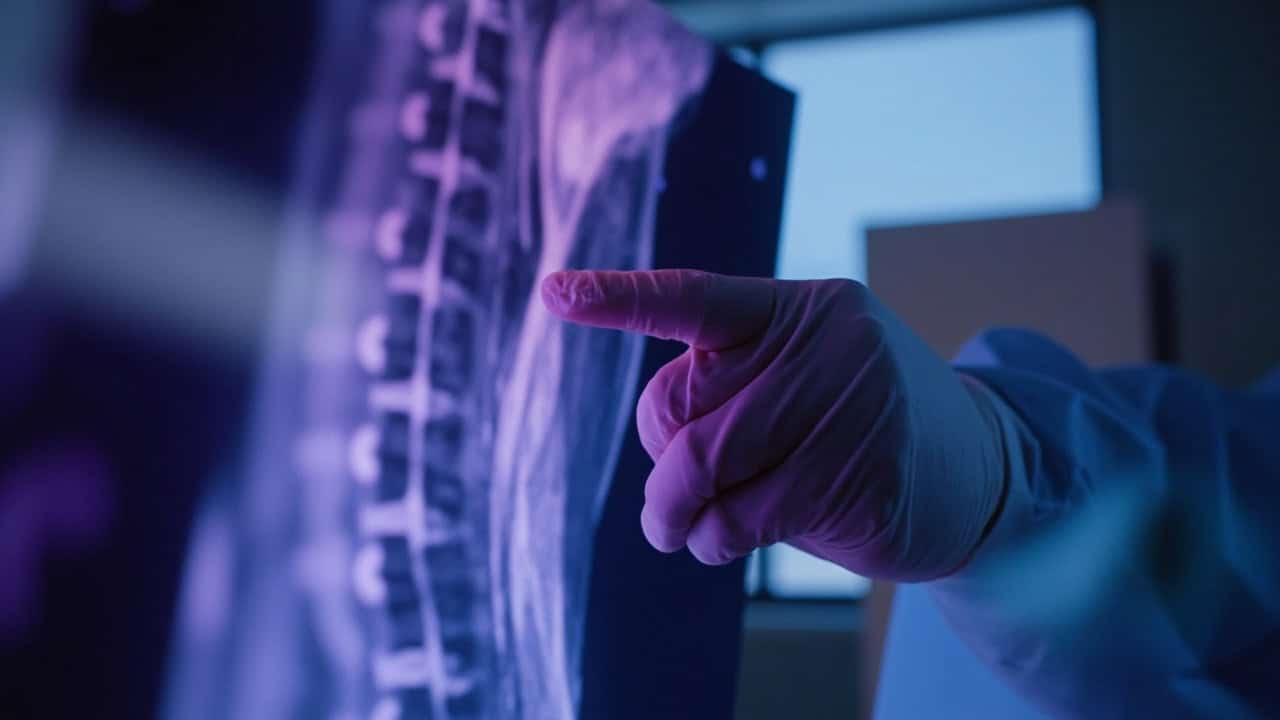
Understanding Herniated Disc Numbness: Nerve Irritation vs. Nerve Damage
Numbness from a herniated disc occurs through two distinct mechanisms that determine recovery potential. Nerve irritation develops when inflammatory chemicals from the damaged disc contact the nerve root, causing temporary sensory changes without structural nerve injury. This inflammatory process typically responds well to conservative care because the nerve itself remains intact. Nerve damage occurs when sustained mechanical compression physically injures nerve fibers, potentially causing permanent sensory loss if compression continues too long.
In my Houston practice, I evaluate patients using advanced imaging to distinguish between these mechanisms. Research demonstrates that inflammatory nerve irritation creates reversible symptoms when the chemical cascade resolves, while mechanical compression requires intervention before permanent fiber damage occurs. The soft inner material of the disc (nucleus pulposus) leaking through annular tears contains proteins that trigger intense nerve inflammation. When this leakage persists, the nerve remains bathed in inflammatory mediators despite conservative treatments that only address symptoms.
Gaining a clear understanding of this distinction is critical. If your numbness follows a normal healing pattern, conservative treatment options for L5-S1 disc herniation pain are often appropriate. However, if symptoms signal progressive compression, expert evaluation becomes necessary to prevent permanent damage. Temporary irritation improves as inflammation subsides, while sustained compression may worsen despite appropriate conservative care.

Typical Recovery Timelines for Houston Patients: What Research Shows
Clinical guidelines for lumbar radiculopathy describe a favorable natural history, with the majority of patients experiencing substantial improvement within 4-6 months of symptom onset. This timeline reflects the natural resolution of inflammatory nerve irritation as the body reabsorbs herniated disc material and reduces chemical mediators around the nerve root. Most patients notice gradual improvement in numbness intensity and distribution during this period, though complete sensory recovery may take longer.
Initial symptom improvement for both cervical and lumbar disc herniations may begin within weeks, though full resolution of numbness and radicular symptoms typically follows the 4-6 month trajectory described above. If you’re suffering from symptoms like numbness radiating into the arms, you might also be interested in symptoms of bulging disc in neck C5-C6 and how those resolve.
In my practice, I observe that patients whose numbness improves steadily during the first 6-8 weeks typically continue toward full recovery. Those whose symptoms plateau or worsen beyond this window often have persistent mechanical compression that conservative care cannot address. The key distinction lies in symptom trajectory rather than absolute duration.

Factors That Affect How Long Numbness Lasts
Herniation size and location significantly influence recovery duration. Large herniations that occupy substantial canal space may lead to increased mechanical compression, which can be associated with motor weakness and potentially prolonged recovery times.
Central herniations may involve multiple nerve roots, potentially leading to more complex recovery patterns compared to lateral herniations.
Your body’s inflammatory response determines how quickly chemical irritation resolves. Individual healing capacity, immune system function, and metabolic health all play a role in how rapidly inflammatory mediators clear from the nerve environment. Diabetes, autoimmune conditions, and chronic systemic inflammation are known to affect nerve health and healing capacity, and may influence how quickly nerve irritation from disc herniation resolves — though specific recovery timelines for these patient populations require further study.
If you’re curious about related issues, this guide on understanding S1 nerve distribution, anatomy, symptoms, and treatment provides useful insights into how nerve pathways affect your unique experience of numbness.
The integrity of your annulus fibrosus directly impacts recovery potential. When annular tears remain open, nucleus pulposus material continues leaking onto nerve roots, maintaining the inflammatory cascade despite conservative treatments. I evaluate Houston-area patients using diagnostic imaging to identify persistent annular disruption that prevents natural healing. Smoking, a sedentary lifestyle, and poor nutrition are associated with impaired disc health and may further affect recovery.
Warning Signs That Numbness May Signal Progressive Injury
Progressive weakness accompanying numbness indicates advancing nerve damage requiring urgent evaluation. When motor function declines despite conservative care, mechanical compression may be causing irreversible nerve fiber injury. Loss of reflexes and muscle atrophy may signal that sensory symptoms have progressed to motor nerve involvement. Difficulty with fine motor tasks could also indicate motor nerve involvement, though further evaluation is necessary.
Numbness that spreads to new areas or intensifies over time suggests worsening compression rather than resolving inflammation. Clinical guidelines emphasize that expanding sensory deficits warrant immediate physician assessment to prevent permanent neurologic injury. Bowel or bladder dysfunction represents a medical emergency requiring same-day surgical evaluation, as these symptoms indicate severe spinal cord or cauda equina compression.
Patients sometimes wonder about severe consequences if a herniated disc touches the spinal cord or causes additional neurological decline. In my Houston practice, I use specific diagnostic criteria to identify patients whose numbness reflects progressive nerve damage. Gait disturbances, foot drop, or hand weakness accompanying persistent numbness may indicate that conservative care timelines have been exceeded, suggesting the need for specialist evaluation.
When Conservative Care Timelines Should Prompt Expert Evaluation in Houston
When numbness persists beyond 4-6 months despite appropriate conservative management, expert evaluation becomes essential. This timeline reflects evidence-based expectations for inflammatory resolution and natural disc resorption. Symptoms continuing past this window often indicate structural disc pathology that physical therapy, medications, and activity modification cannot address.
A meta-analysis of randomized controlled trials found that epidural steroid injections may provide short-term symptom relief by reducing nerve root inflammation, but the effect was not maintained at long-term follow-up — and injections do not repair annular tears or stop ongoing disc leakage. I evaluate patients who have completed appropriate conservative care and epidural injections without sustained improvement to identify underlying disc-level pathology driving persistent symptoms.
At my practice, I use advanced diagnostics including diagnostic annulargrams to identify actively leaking discs that maintain chronic nerve irritation. For patients with documented annular tears and persistent numbness after conservative care, disc-repair approaches like Discseel® may address the structural pathology that conservative treatments cannot fix. This fibrin-based procedure seals annular defects to stop inflammatory mediator leakage onto nerve roots, targeting the mechanism maintaining chronic symptoms. As a Discseel® Master Instructor trained directly by the procedure’s inventor, I evaluate candidacy for patients seeking alternatives to fusion when structural disc pathology persists beyond evidence-based conservative timelines.
If you are struggling with persistent symptoms in the Houston area, we provide comprehensive evaluation and disc tear treatment, helping you understand your best options for restoration and pain relief.

One Patient’s Experience with Herniated Disc Treatment in Houston
As a physician who specializes in spine care, I understand the anxiety that comes with persistent numbness. Sarah, a 48-year-old teacher from Magnolia, came to our Houston practice after experiencing cervical spine numbness that was affecting her ability to write on the board and grade papers. She had tried physical therapy and medications for several months but worried constantly about whether her symptoms would ever improve.
“Dr. Wiederholz and the entire team at OSD Surgery Center were amazing. Dr. Wiederholz gave me cervical spinal injections for pain relief. The entire process from check-in until when I was discharged was a good experience…”
This is one patient’s experience; individual results may vary.
What Sarah valued most was receiving clear explanations about her specific situation and realistic timelines for recovery. When patients trust us with their spine health at Performance Pain and Sports Medicine, we focus on creating a safe, supportive environment throughout their treatment journey while providing the evidence-based guidance they need to make informed decisions. If you’re in Houston, learn more about our local treatment options.
Conclusion
How long can herniated disc numbness last depends on whether your symptoms reflect temporary nerve irritation or sustained mechanical compression. Research on both lumbar and cervical disc herniations demonstrates that the majority of patients experience substantial improvement within 4–6 months when inflammation resolves naturally. However, numbness persisting beyond this evidence-based timeline often signals ongoing structural disc pathology that conservative treatments cannot address. As an interventional spine specialist in Houston, I help patients understand when symptoms follow normal healing patterns versus when they indicate progressive nerve compromise requiring expert evaluation. If you’ve completed appropriate conservative care and epidural injections without sustained improvement, advanced diagnostics including diagnostic annulargrams can identify actively leaking discs maintaining chronic nerve irritation.
For patients with documented annular tears and persistent numbness after conservative care, disc-repair approaches like Discseel® may address the structural pathology driving ongoing symptoms by sealing annular defects and stopping inflammatory mediator leakage onto nerve roots. Serving patients throughout Houston and surrounding communities, Performance Pain and Sports Medicine provides comprehensive evaluation for persistent neurologic symptoms. See if you may be a candidate for the Discseel® Procedure if your numbness persists beyond evidence-based conservative timelines.
This article is for educational purposes only and should not be used as a substitute for professional medical advice, diagnosis, or treatment. Always seek the advice of your physician or other qualified healthcare provider with any questions you may have regarding a medical condition or treatment options. Never disregard professional medical advice or delay in seeking it because of something you have read in this article.
Frequently Asked Questions
Does numbness from a herniated disc go away?
The majority of patients experience substantial improvement in herniated disc numbness within 4–6 months as inflammation resolves naturally. Clinical guidelines describe a favorable natural history in which the body reabsorbs herniated disc material and reduces chemical mediators around the nerve root during this period. However, recovery timelines vary based on herniation size, location, and individual healing capacity. Numbness that persists beyond 6 months or worsens over time may indicate ongoing mechanical nerve compression rather than temporary irritation, warranting expert evaluation to prevent permanent sensory loss. You can read more about this in herniated disc symptoms, causes, and treatment.
What happens when a spinal disc ruptures?
When a spinal disc ruptures, nucleus pulposus material leaks through tears in the annulus fibrosus, releasing inflammatory proteins that irritate nearby nerve roots. This chemical cascade causes radicular symptoms including numbness, tingling, and pain that follow specific nerve pathways into your arms or legs. Evidence-based treatment algorithms support initial conservative management for most patients without red-flag features, as many disc ruptures improve naturally over several months. However, large ruptures creating sustained mechanical compression may require intervention when symptoms persist beyond conservative care timelines or when progressive neurologic deficits develop. You can get more details in everything you need to know about new treatments for ruptured discs.
When should I worry about persistent numbness from a herniated disc?
Seek immediate medical evaluation if numbness accompanies progressive weakness, loss of reflexes, muscle atrophy, or bowel and bladder dysfunction, as these symptoms indicate advancing nerve damage requiring urgent assessment. Numbness that spreads to new areas, intensifies despite treatment, or persists beyond 4–6 months of appropriate conservative care warrants expert evaluation to identify underlying structural disc pathology. Gait disturbances, foot drop, or hand weakness accompanying persistent numbness may indicate that conservative care timelines have been exceeded, suggesting the need for specialist evaluation. Learn more about emergency symptoms here.
Where can I find treatment for herniated disc numbness in Houston?
Performance Pain and Sports Medicine offers comprehensive evaluation and treatment for herniated disc numbness in Houston. Dr. Matthias Wiederholz, a quadruple board-certified physician and Discseel® Master Instructor, uses advanced diagnostics including diagnostic annulargrams to identify the underlying disc pathology causing persistent neurologic symptoms. The practice serves patients throughout the Houston area, including Conroe, Magnolia, and Tomball. If your numbness persists beyond 4-6 months of conservative care, expert evaluation can determine whether structural disc pathology requires intervention beyond traditional conservative treatments. You can start your journey to recovery by contacting us here.