

By Matthias Wiederholz, MD
Quadruple Board-Certified in Physical Medicine & Rehabilitation, Sports Medicine, Pain Medicine, and Anti-Aging, Regenerative & Functional Medicine
Quick Insights
An L4-5 herniated disc occurs when the cushion between your fourth and fifth lumbar vertebrae ruptures or bulges outward. This can press on nearby nerves and cause lower back pain, leg pain, or weakness. Many patients avoid surgery through structured conservative care like physical therapy and anti-inflammatory medications. However, persistent symptoms may indicate that the disc tear itself needs repair, not just symptom management.
Key Takeaways
- Conservative treatment resolves symptoms in approximately 60-80% of patients within 6-12 weeks without surgery.
- L4-5 herniations commonly cause sciatica radiating down the leg, numbness, or foot weakness.
- Persistent pain despite an adequate period of conservative treatment may indicate the need for further evaluation and potential interventional treatment.
- Total disc replacement is an option between conservative care and spinal fusion surgery that aims to preserve spinal motion.
Why It Matters
Unresolved L4-5 disc pain affects your ability to work, sleep, exercise, and enjoy daily activities. Understanding the difference between treatments that mask symptoms and those that address disc pathology helps you make informed decisions. Evidence-based care pathways exist to avoid surgery while targeting the root cause of your pain.
Introduction
As an interventional spine specialist in Houston, I’ve guided hundreds of patients through the decision of whether surgery is truly necessary for their L4-5 herniated disc. The answer often surprises them: most people can avoid surgery with the right approach. Clinical guidelines recommend starting with conservative treatment for lumbar disc herniation when no severe neurologic deficits exist. However, understanding the difference between treatments that mask symptoms and those that address disc pathology is essential.
Conservative care, like physical therapy and medications, can resolve symptoms in approximately 60-80% of patients within six to twelve weeks. But when pain persists despite appropriate conservative treatment, it may signal that the disc tear itself needs repair, not just symptom management. At Performance Pain and Sports Medicine, I help patients navigate this critical distinction to make informed decisions about their spine care—from structured conservative approaches and focused back pain treatment to advanced options like Discseel® that target the root cause of disc-related pain.
Understanding L4-5 Disc Herniation: What’s Really Happening
Understanding L4-5 Disc Herniation: What’s Really Happening
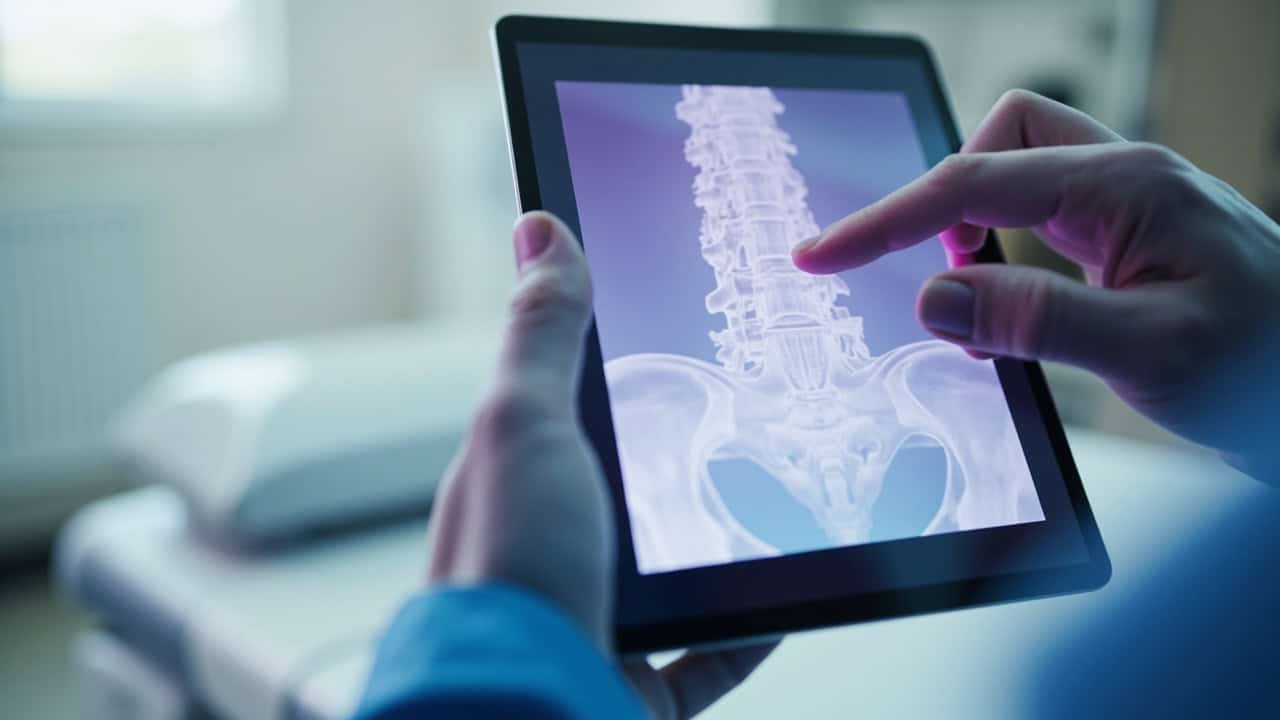
When a disc herniates at L4-5, the tough outer layer called the annulus fibrosus develops a tear. This allows the inner nucleus pulposus material to leak outward. That leaking material presses on the nearby nerve root and releases inflammatory chemicals. The result is often sciatica—sharp pain radiating down your leg, numbness in your foot, or weakness when you walk.
International spine guidelines recognize that most L4-5 herniations without severe neurologic deficits respond well to conservative management. The body can resorb some of the herniated material over time. However, the annular tear itself rarely heals completely on its own. This distinction matters because persistent symptoms often trace back to that unhealed tear continuing to leak inflammatory material onto the nerve.
In my Houston practice, I evaluate patients by identifying the true pain generator at the disc level. Standard MRI shows the herniation but doesn’t always reveal whether the annulus is actively leaking. That’s why accurate diagnosis requires understanding both the structural damage and the ongoing inflammatory cascade. When patients tell me their leg pain improved but returns with activity, I often find the annular defect never sealed.
If you’re experiencing leg pain, numbness, or weakness, it could indicate disc symptoms in nearby regions, and a personalized evaluation is important.

Evidence-Based Conservative Treatments: What Research Shows
Evidence-Based Conservative Treatments: What Research Shows
Clinical practice guidelines support starting with NSAIDs, physical therapy, and activity modification for L4-5 herniation. These treatments target inflammation and nerve irritation. NSAIDs reduce inflammatory mediators around the compressed nerve root. Physical therapy strengthens core muscles and optimizes movement patterns to reduce nerve root tension. Activity modification prevents positions that worsen disc pressure and nerve compression.
Many patients experience meaningful improvement within six to twelve weeks using this approach. Comparative research demonstrates that conservative care can yield similar long-term outcomes to surgery in selected patients. Epidural steroid injections may be added when pain is severe or persistent. These injections deliver anti-inflammatory medication directly to the irritated nerve root.
However, these treatments primarily manage symptoms rather than repair disc structure. Physical therapy cannot seal an annular tear. NSAIDs reduce inflammation but don’t stop disc leakage. Epidural injections provide temporary relief by calming nerve inflammation. The herniated material may shrink over time, but the damaged annulus fibrosus remains compromised. This is why some patients improve initially but experience recurring symptoms when they return to normal activities.
To better understand the distinction, read more in this comprehensive guide to L5-S1 bulging disc and why some cases require more than just symptom relief.

When Conservative Care Reaches Its Limits”
When Conservative Care Reaches Its Limits
Systematic reviews of treatment guidelines reveal significant variability in how well noninvasive therapies work for different patients. Some people continue experiencing substantial pain and functional limitation despite appropriate trials of medications, therapy, and injections. This persistent pain often signals that the annular defect is still leaking inflammatory material onto the nerve root.
I see this pattern frequently in my practice. Patients complete twelve weeks of physical therapy and receive multiple epidural injections. Their symptoms improve temporarily but return when they resume work or exercise. Standard treatment pathways recognize this scenario as a potential indication for surgical referral. However, surgery isn’t the only option when conservative care reaches its biological limitations.
The key question becomes whether your symptoms reflect ongoing structural pathology that symptom-based treatments cannot address. If the annulus fibrosus remains torn and continues leaking nucleus pulposus material, no amount of physical therapy or medication will seal that defect. This is the critical distinction between managing symptoms and repairing the underlying disc damage. Understanding this difference helps you make informed decisions about next steps.
Discover more about disc tear treatment and restoring spinal integrity, including how new techniques may address the root cause.
Advanced Non-Surgical Options for Disc Repair
Evidence-based guidelines recognize that interventional options exist between conservative care and surgery for persistent radiculopathy. These procedures target the disc pathology itself rather than just managing symptoms. The goal is structural repair of the annulus fibrosus to stop disc leakage and the inflammatory cascade it triggers.
Discseel® represents a mechanism-based approach to annular repair. This procedure uses a biologic fibrin sealant injected directly into the torn annulus fibrosus. The fibrin mechanically seals annular defects and stops nucleus pulposus leakage. By sealing the tear, we eliminate the source of inflammatory chemicals irritating your nerve root. The fibrin also creates an environment that may support disc tissue regeneration over time.
I perform Discseel® using a diagnostic annulargram to identify which discs are actively leaking. This differs from relying solely on MRI, which shows structural damage but not functional leakage. The annulargram reveals the true pain generators. Published outcome data show statistically significant improvements in pain and function sustained at one to three years in appropriate candidates (Pain Physician 2024; 27:537-553). The procedure doesn’t remove disc tissue or place hardware. It preserves spinal motion while addressing the annular pathology directly.
Candidacy for Discseel® requires a comprehensive evaluation. Not every L4-5 herniation needs this intervention. Patients who respond well to conservative care should continue that path. However, if you’ve completed appropriate conservative treatment without lasting relief and want to avoid fusion surgery, Discseel® may offer a structural repair option.
As one of only three Discseel® Master Instructors in the United States, trained directly by the procedure’s inventor, I evaluate each patient individually to determine whether annular repair addresses their specific disc pathology and focus on accurate diagnosis and mechanism-based treatment selection.
Learn how other patients have found lasting back pain relief after Discseel® and what outcomes are realistic.
For additional local information, see treatment options available in Houston, including advanced therapies like Discseel®.

One Houston Patient’s Experience
One Houston Patient’s Experience
Ming, a Houston resident, came to me seeking relief from persistent back pain that had limited his daily activities. Like many patients, he had tried various treatments before finding our practice.
Dr. Wiederholz is who you want to see for back pain. He performed my epidural back injection with flawless precision. I’m currently pain free.
— Ming
This is one patient’s experience; individual results may vary.
Ming’s outcome reflects what’s possible when we accurately identify the pain generator and apply evidence-based interventional treatment. Each patient requires a comprehensive evaluation to determine the most appropriate care pathway for their specific disc pathology.
Want to know more about when a bulging or herniated disc needs additional care beyond standard treatments? Read about the symptoms, causes, and treatment options for herniated discs.
Conclusion
When you’re facing an L4-5 herniated disc, understanding how to avoid surgery starts with recognizing the difference between treatments that manage symptoms and those that address disc pathology. Evidence-based care pathways support starting with conservative treatment—physical therapy, medications, and activity modification—which resolves symptoms in most patients within six to twelve weeks. However, when pain persists despite appropriate conservative care, it often signals that the annular tear continues leaking inflammatory material onto your nerve root.
At that point, clinical guidelines recognize that interventional options exist between conservative care and fusion surgery. I evaluate each patient to determine whether their symptoms reflect ongoing structural pathology that requires repair rather than symptom management alone. Performance Pain and Sports Medicine offers comprehensive evaluation and evidence-based interventional options for patients throughout the greater Houston area.
If you want to explore your options or need a personalized treatment plan, contact us today for a comprehensive evaluation and next steps.
For further insight, see what emergency symptoms of a herniated disc warrant urgent medical care, and when to seek advanced treatments instead of surgery.
This article is for educational purposes only and should not be used as a substitute for professional medical advice, diagnosis, or treatment. Always seek the advice of your physician or other qualified healthcare provider with any questions you may have regarding a medical condition or treatment options. Never disregard professional medical advice or delay in seeking it because of something you have read in this article.
Frequently Asked Questions
Can an L4-5 herniated disc heal without surgery?
Yes, many L4-5 herniations improve with conservative care within six to twelve weeks. Physical therapy, NSAIDs, and activity modification reduce nerve inflammation and allow some herniated material to resorb naturally. However, the annular tear itself rarely heals completely on its own. When symptoms persist despite appropriate conservative treatment, it may indicate that the disc tear continues leaking inflammatory material. In these cases, interventional options that target annular repair may be considered before surgical referral.
For more details on similar conditions, you can read about L5-S1 herniated disc surgery options and alternatives.
How long should I try conservative treatment before considering other options?
Most physicians recommend six to twelve weeks of structured conservative care for L4-5 herniation without severe neurologic deficits. This includes physical therapy, medications, and activity modification. If you experience meaningful improvement during this period, continuing conservative care makes sense.
However, if pain remains severe or returns with normal activities after twelve weeks, it may signal that symptom-based treatments cannot address the underlying disc pathology. At that point, a comprehensive evaluation can determine whether interventional disc repair options are appropriate.
For more about optimizing your conservative management, see effective herniated disc exercises that may help speed recovery.
What makes someone a candidate for advanced disc repair procedures?
Candidacy for procedures like Discseel® requires documented annular pathology and persistent symptoms despite appropriate conservative care. I use a diagnostic annulargram to identify which discs are actively leaking, not just which ones show structural damage on MRI. Ideal candidates have completed conservative treatment without lasting relief, want to avoid fusion surgery, and have disc tears that continue causing inflammation.
Not every L4-5 herniation needs interventional treatment. A comprehensive physician evaluation determines whether annular repair addresses your specific disc pathology and pain pattern.
Learn more about the guide to spinal disc tears, causes, and treatment options when considering repair over symptom management.
Where can I find L4-5 disc treatment in Houston?
Dr. Matthias Wiederholz with Performance Pain and Sports Medicine offers comprehensive evaluation and evidence-based treatment for L4-5 disc herniation in Houston. As one of only three Discseel® Master Instructors in the United States, Dr. Wiederholz specializes in determining whether conservative care, interventional disc repair, or other options best address your specific disc pathology.
The practice serves patients throughout the greater Houston area. You can request a candidacy evaluation to determine the most appropriate treatment pathway for your condition.
If you’re interested in learning more about advanced lumbar disc care and degenerative disc disease management, our blog offers extensive resources for every stage of the recovery process.