By Matthias Wiederholz, MD
Quadruple Board-Certified in Physical Medicine & Rehabilitation, Sports Medicine, Pain Medicine, and Anti-Aging, Regenerative & Functional Medicine
Quick Insights
An inversion table suspends you at an angle to decompress your spine through gravity-assisted traction. This creates temporary space between vertebrae and may reduce disc pressure. Some patients report short-term pain relief during conservative care. However, inversion therapy cannot seal annular tears or regenerate damaged disc tissue. Persistent discogenic pain often requires physician evaluation to identify the underlying structural problem.
Key Takeaways
- Research shows inversion therapy reduced surgery rates in some patients with single-level disc disease when combined with physical therapy.
- Temporary symptom relief differs from actual disc repair—inversion does not heal torn disc fibers or restore disc height.
- Contraindications include high blood pressure, glaucoma, heart disease, and pregnancy due to cardiovascular and pressure risks.
- Most studies show mixed evidence quality, with benefits greatest when inversion is part of comprehensive conservative care.
Why It Matters
Chronic disc pain affects your ability to work, sleep, exercise, and enjoy daily activities. Understanding what inversion tables can and cannot do helps you make informed decisions about your care. While temporary relief matters, identifying whether your disc damage requires structural repair prevents months of frustration with approaches that cannot address the root cause of your pain.
Introduction
As a spine specialist in Houston, I’ve evaluated countless patients exploring at-home relief options for herniated discs. Inversion tables appeal to many because they promise decompression without surgery or expensive treatments. The question isn’t whether inversion therapy can provide temporary relief—research demonstrates that some patients experience short-term symptom improvement and even avoid surgery when combining inversion with physical therapy. The real question is whether this approach addresses your underlying disc pathology or simply masks symptoms temporarily.
Understanding how to help a herniated disc with an inversion table matters because persistent discogenic pain often signals structural disc damage that mechanical decompression alone cannot repair. While gravity-assisted traction may temporarily reduce pressure on compressed nerves, it doesn’t seal annular tears or regenerate damaged disc tissue.
Whether you’re in Memorial City, the Energy Corridor, or Briar Forest, this article provides evidence-based guidance on inversion therapy mechanics, safety protocols, realistic expectations, and when to consider mechanism-based alternatives if conservative care proves insufficient. For more insight into my professional experience and expertise, read my bio.
Before delving deeper, you might also want to familiarize yourself with common causes of back pain and how an accurate diagnosis can shape your treatment plan.
What Is Inversion Therapy and How Does It Work?
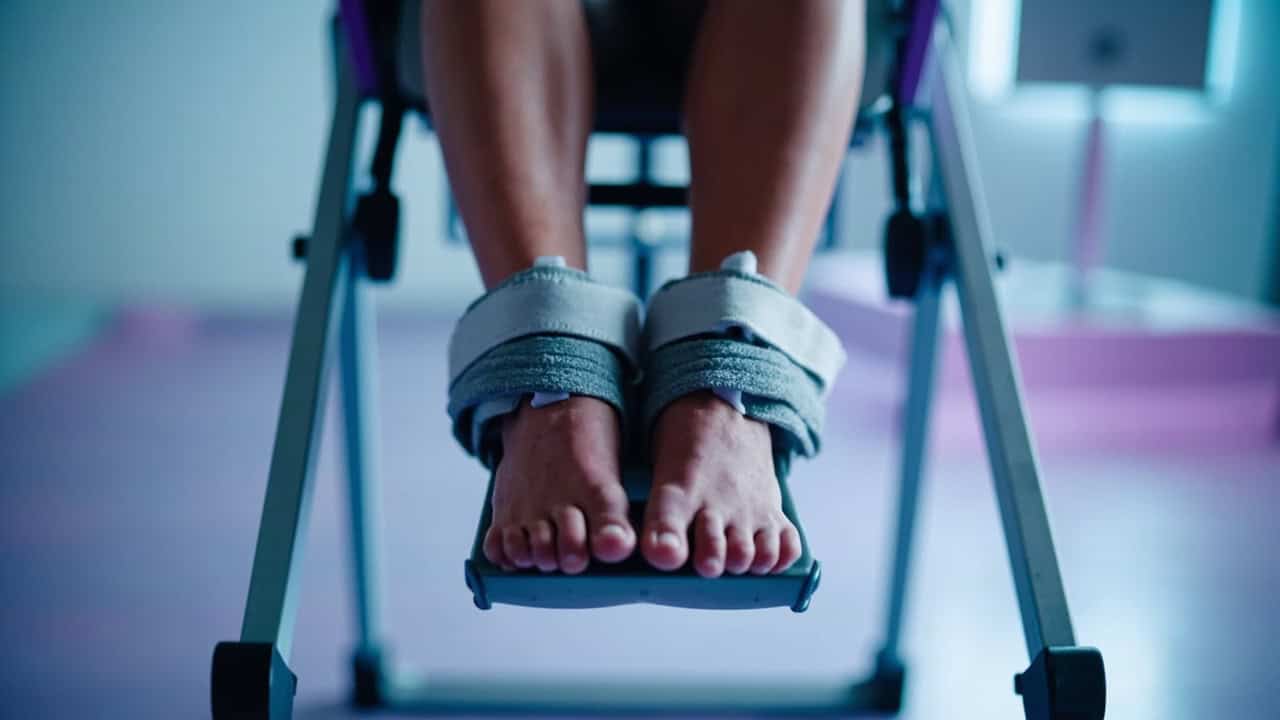
Inversion therapy suspends your body at an inverted angle using a specialized table with ankle restraints and a rotating platform. When you tilt backward, gravity creates axial decompression along your spine by reducing the compressive load that normally presses vertebrae together. This mechanical unloading temporarily increases the space between vertebral bodies and may reduce pressure on compressed nerve roots.
The theory behind inversion centers on creating negative pressure within the disc space, which some researchers believe could allow herniated nucleus pulposus material to retract slightly from nerve structures.
Systematic reviews of traction-based therapies describe this decompressive mechanism as the primary rationale for inversion use in disc disease. In my Houston practice, I explain to patients that inversion essentially reverses the constant downward force of gravity that compresses their discs throughout the day. Most inversion tables allow you to control the angle of inversion from slight tilts to full inversion, with beginners typically starting at 20-30 degrees. The duration of each session usually ranges from one to five minutes initially, gradually increasing as tolerance improves.
If you’d like to learn more about disc herniation and related anatomy, this guide on S1 nerve distribution, anatomy, symptoms, and treatment is especially helpful.
The Science Behind Inversion Tables for Herniated Discs
Research on inversion therapy shows mixed but occasionally promising short-term outcomes for specific patient populations. A randomized controlled trial demonstrated that patients with single-level disc disease who used inversion therapy combined with physical therapy had significantly lower surgery rates compared to those receiving physical therapy alone.
This study followed patients for ten weeks and found that the inversion group required surgery less frequently during the follow-up period. However, the trial was relatively small and focused on surgery avoidance rather than long-term structural disc repair.
Some individuals may experience temporary relief from back pain with consistent inversion therapy; however, evidence suggests these benefits are short-term and may not persist after stopping the therapy. The evidence quality remains moderate at best, with most studies involving small sample sizes and short follow-up periods. I often see patients who report feeling better immediately after inversion sessions, which likely reflects temporary nerve decompression and muscle relaxation rather than actual disc healing.
To explore emerging treatments for ruptured discs and compare them with inversion therapy, read this in-depth overview of new treatments for ruptured discs.
Step-by-Step Guide: How Houston Residents Can Use an Inversion Table Safely
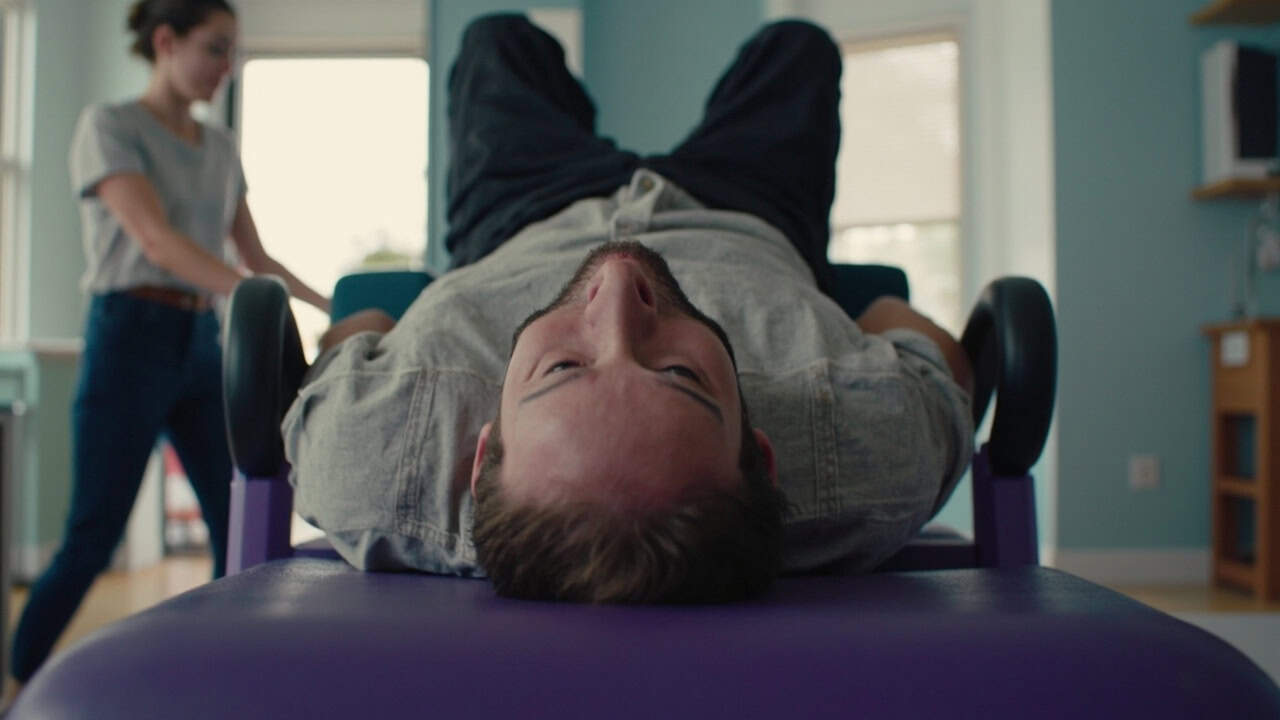
Before attempting inversion therapy, consult your physician to rule out contraindications like high blood pressure, glaucoma, heart disease, or pregnancy. Start by adjusting the table to your height and securing the ankle restraints snugly but comfortably. Begin with a minimal angle of 20-30 degrees for your first few sessions, holding the inverted position for only one to two minutes. Keep your arms crossed over your chest or extended above your head to maintain balance and control.
Safety guidelines recommend a gradual progression in inversion therapy and suggest having assistance nearby during initial sessions. Increase your inversion angle by five to ten degrees every few sessions as your body adapts. Never exceed five minutes of continuous inversion during early use, and always return to the upright position slowly to prevent dizziness or blood pressure changes. If you experience increased pain, headache, or visual disturbances during inversion, stop immediately and return to the upright position.
Curious about additional options for herniated disc self-care? Explore these exercises for herniated discs that may complement passive modalities like inversion therapy.

What Inversion Tables Can and Cannot Do for Houston Patients with Disc Injuries
Inversion therapy may provide temporary symptom relief by reducing mechanical pressure on compressed nerve roots and decreasing muscle spasm. Some patients experience short-term improvements in pain and function that allow them to participate more effectively in physical therapy or other conservative treatments. However, inversion cannot seal annular tears in the disc wall or regenerate damaged disc tissue. The decompressive effect lasts only as long as you remain inverted, and the disc returns to its compressed state once you stand upright.
Research consistently shows that symptom relief does not equal structural disc repair. When I evaluate patients with persistent discogenic pain despite months of inversion therapy, I often find significant annular tears that continue leaking inflammatory nucleus pulposus material onto pain-sensitive nerve fibers. Evidence quality limitations in traction studies make it difficult to predict which patients will benefit from inversion and which require mechanism-based interventions that address the underlying disc pathology.
For patients whose pain stems from annular defects that won’t heal on their own, procedures like Discseel® may be considered to seal the tear and stop the inflammatory cascade at its source.
For more about annular tears and your full range of treatment options, see The Guide to Spinal Disc Tears: Causes, Symptoms, and Treatment Options.
Risks and Safety Considerations You Should Know
Inversion therapy carries cardiovascular risks because the inverted position increases blood pressure in your head and eyes. Patients with hypertension, glaucoma, or retinal conditions should avoid inversion entirely due to the risk of stroke, retinal detachment, or vision damage. Heart disease and recent stroke also represent absolute contraindications because the altered blood flow patterns during inversion can trigger cardiac events or worsen existing cardiovascular conditions.
Additional safety concerns include the risk of falling if ankle restraints fail or if you lose balance during the return to upright position. Pregnant women should never use inversion tables due to potential effects on fetal blood flow and maternal blood pressure. Stop using the inversion table immediately if you experience severe headache, chest pain, shortness of breath, or sudden vision changes. Even if you have no contraindications, discuss inversion therapy with your Houston physician before starting to ensure it’s appropriate for your specific disc pathology and overall health status.
If you’re in Houston and want personalized guidance or a second opinion, contact the Performance Pain and Sports Medicine team today.
For more safety insights and treatment comparisons, read the Comprehensive Guide to L5-S1 Bulging Disc, which includes pros, cons, and red-flag symptoms requiring prompt care.
Real Patient Experience: Finding Relief in Houston
I got PRP injections done with Dr. Wiederholz and I have nothing but positive things to say about both Dr. Wiederholz and the process. He and his staff took terrific care of me and my pain was greatly reduced after the process. Highly recommend!
This is one patient’s experience; individual results may vary.
Connor’s experience reflects what I see regularly at Performance Pain and Sports Medicine in Houston. Many patients explore conservative options before finding the right treatment approach for their specific pain source.
When patients come to me after trying various at-home therapies without lasting relief, I focus on identifying the underlying structural problem. Accurate diagnosis allows us to match the treatment to the actual pain generator, whether that requires regenerative injections, physical therapy, or other interventions tailored to each patient’s disc pathology.
For Houston residents looking for local treatment options, explore our Houston location and see how our team can help.
Conclusion
How to help a herniated disc with inversion table is a topic that deserves careful consideration. Inversion therapy may provide temporary relief for some patients with herniated discs by reducing mechanical pressure on compressed nerves and decreasing muscle spasm. Research demonstrates that patients who combined inversion with physical therapy had lower surgery rates compared to those receiving physical therapy alone. However, this temporary symptom improvement differs fundamentally from actual disc repair—inversion cannot seal annular tears or regenerate damaged disc tissue that continues leaking inflammatory material onto pain-sensitive nerve structures.
When patients come to me after months of conservative care without lasting relief, I focus on identifying the underlying structural problem causing their persistent pain. In my practice, I’ve learned that accurate diagnosis allows us to match treatment to the actual pain generator.
For Houston-area patients whose discogenic pain stems from annular defects that won’t heal on their own, mechanism-based approaches designed to seal disc tears and stop the inflammatory cascade may be considered. Serving clients from Memorial City to the Energy Corridor and Briar Forest, Performance Pain and Sports Medicine offers a comprehensive evaluation for persistent disc pain. If you’ve tried conservative options without adequate relief, I invite you to see if you may be a candidate for the Discseel® Procedure.
For an in-depth look at reviews and outcomes with this procedure, see Discseel® Reviews: Achieving Lasting Back Pain Relief.
This article is for educational purposes only and should not be used as a substitute for professional medical advice, diagnosis, or treatment. Always seek the advice of your physician or other qualified healthcare provider with any questions you may have regarding a medical condition or treatment options. Never disregard professional medical advice or delay in seeking it because of something you have read in this article.
Frequently Asked Questions
How long should I use an inversion table for a herniated disc?
Start with one to two minutes at a 20-30 degree angle for your first few sessions. Gradually increase the angle by five to ten degrees and extend the duration to three to five minutes as your body adapts. Most protocols recommend using inversion therapy two to three times daily during active treatment phases.
Never exceed five minutes of continuous inversion during early use, and always return to upright position slowly to prevent dizziness. Consult your physician before starting to ensure you have no contraindications, such as high blood pressure or glaucoma.
Can inversion tables actually heal herniated discs?
Inversion tables cannot heal herniated discs or repair damaged disc tissue. They may temporarily reduce pressure on compressed nerves and decrease pain during use, but the decompressive effect lasts only while you remain inverted. The disc returns to its compressed state once you stand upright. Inversion therapy does not seal annular tears, stop nucleus pulposus leakage, or regenerate disc structure.
Research shows some patients experience short-term symptom improvement, but this reflects temporary mechanical unloading rather than actual disc healing or structural repair.
Read more about herniated disc symptoms, causes, and treatment.
What should I do if inversion therapy doesn’t help my disc pain?
Persistent discogenic pain despite appropriate conservative care often indicates structural disc damage requiring physician evaluation. Schedule a consultation with a spine specialist who can perform advanced imaging and diagnostic testing to identify the underlying pain generator. Your physician may recommend regenerative procedures designed to address annular tears and disc leakage that conservative measures cannot repair.
Treatment options depend on your specific disc pathology, overall health, and treatment goals. Accurate diagnosis allows your physician to match interventions to the actual source of your pain.
For further guidance, review this article on disc tear treatment: restoring the integrity of your spine.
Where can I find herniated disc treatment in Houston?
Houston residents seeking a comprehensive evaluation for herniated disc pain can consult with board-certified spine specialists who offer both conservative and regenerative treatment options. Performance Pain and Sports Medicine provides thorough diagnostic assessment to identify the underlying cause of your disc pain, whether that requires physical therapy, regenerative injections, or advanced procedures like Discseel® for structural disc repair.
Dr. Wiederholz’s quadruple board certification and expertise in disc pathology ensure you receive an accurate diagnosis and evidence-based treatment recommendations tailored to your specific condition.
If you’re ready to take the next step toward relief, contact us here.